
INASIA
Insights and Analysis
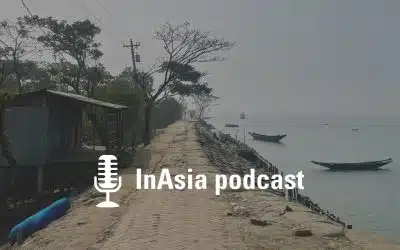
Hearing Local Voices at the “Ground Zero” of Climate Change
In the restless borderlands between India and Bangladesh, new research documents the human impacts of climate disruption where the social compact is precarious.

A New Chapter for a Storied Books Program
The Asia Foundation’s oldest program, Books for Asia, has a new name and a new mission.
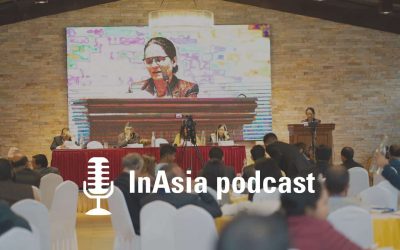
A Work in Progress: Nepal’s Bold Bet on Federalism
A major international conference in Kathmandu unpacks the theory and the mechanics of federal governance, with Nepal as the poster child.
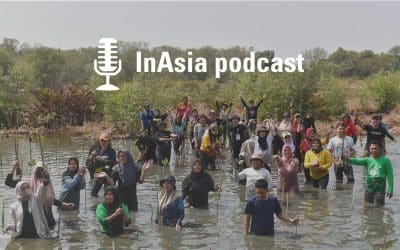
Cultivating Women’s Forest Stewardship: The 100 Champions Network
How rural women have proven to be uniquely effective stewards of Indonesia’s vast and threatened forests.
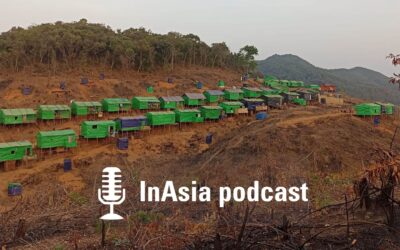
Myanmar: Resistance and the Cost of the Coup in Chin State
The first of February marked the third anniversary of the military coup that upended Myanmar’s democracy and plunged much of the country into open conflict.

An Accessibility Conundrum in the Philippines
There were laws requiring accessible infrastructure in the public schools. There was money in the national budget. So why was it not getting built?

“Let’s Read” Indonesia Helps Children Understand Mental Disabilities
Storybooks and young-adult fiction can introduce children to characters and situations that expand their capacity for empathy.

Quantifying the Care Economy in Mongolia
The nation has taken significant steps in the last year to integrate the care economy into its development vision.
Hearing Local Voices at the “Ground Zero” of Climate Change
In the restless borderlands between India and Bangladesh, new research documents the human impacts of climate disruption where the social compact is precarious.
Cultivating Women’s Forest Stewardship: The 100 Champions Network
How rural women have proven to be uniquely effective stewards of Indonesia’s vast and threatened forests.
A New Chapter for a Storied Books Program
The Asia Foundation’s oldest program, Books for Asia, has a new name and a new mission.
Myanmar: Resistance and the Cost of the Coup in Chin State
The first of February marked the third anniversary of the military coup that upended Myanmar’s democracy and plunged much of the country into open conflict.
“Let’s Read” Indonesia Helps Children Understand Mental Disabilities
Storybooks and young-adult fiction can introduce children to characters and situations that expand their capacity for empathy.
A Work in Progress: Nepal’s Bold Bet on Federalism
A major international conference in Kathmandu unpacks the theory and the mechanics of federal governance, with Nepal as the poster child.
An Accessibility Conundrum in the Philippines
There were laws requiring accessible infrastructure in the public schools. There was money in the national budget. So why was it not getting built?
Quantifying the Care Economy in Mongolia
The nation has taken significant steps in the last year to integrate the care economy into its development vision.