
India
Our New Delhi office supports initiatives to enhance women’s safety, security, and economic empowerment, and initiatives that facilitate India’s engagement in regional and global affairs. The office also serves as a focal point for the Foundation’s regional programs in South Asia, including intraregional trade.
Nandita Baruah ,
,
Country Representative
Contact
The Asia Foundation – India
114 Jor Bagh (First Floor)
New Delhi, India 110003
Tel: +91 (11) 473-63100
Email: [email protected]
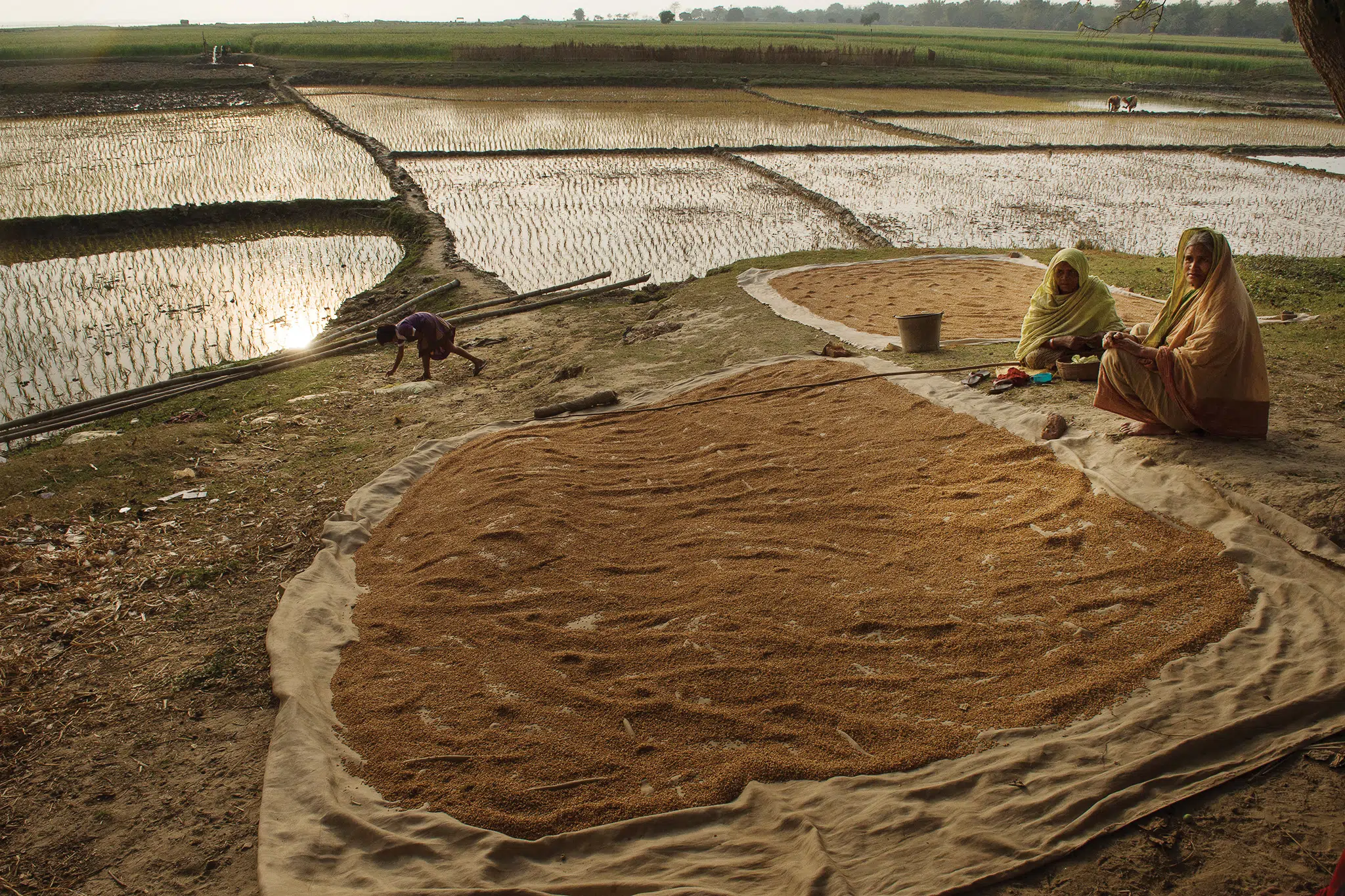
Support Networks for GBV Survivors
Our India office leads a multi-country research project to study screening and support services for trafficking and gender-based violence survivors in India, Nepal, and Sri Lanka. The project will provide national and regional recommendations to government and non-government stakeholders. The Foundation also supports vulnerability mapping in the state of Jharkhand, a trafficking hotspot, to inform the government’s preventative measures.
NEWS FROM INDIA
-
 Hearing Local Voices at the “Ground Zero” of Climate Change
March 20, 2024
Blog

-
Asia and the Pacific in 2024: Elections, Economics, and Geopolitics
January 10, 2024
Blog

India-U.S. Triangular Development Partnership
The Asia Foundation is implementing the India-U.S. Triangular Development Partnership (TriDeP) program, that aims to enhance India’s development cooperation footprint in support of the U.S. and India’s mutual aims in the Indo-Pacific and beyond. The project focuses on three core areas: disaster risk reduction, climate smart agriculture, and renewable energy. In countries across the region, TriDeP will establish partnerships with government, civil society, business corporations, think tanks, and academic institutions. Through Indian Centres of Excellence, training institutes, and the private sector activities, TriDeP will build capacities, forge collaborations, and develop Triangular Cooperation projects to provide targeted assistance. TriDeP draws upon the Foundation’s six decades of experience operating in the Indo-Pacific, its operational infrastructure, and relationships in 18 countries in the region to transfer Indian innovations addressing challenges in agriculture, disaster management, and renewable energy. In doing so, TriDeP promotes India’s strong development expertise, expands joint U.S.-India development partnership, and fosters greater regional prosperity.

The Latest Across Asia

News
April 25, 2024

Program Snapshot
April 18, 2024
News
April 17, 2024


2024 Lotus Leadership Awards
The Lotus Leadership Awards recognize contributions towards gender equality in Asia and the Pacific