
Mongolia
About Our Work in Mongolia
In Mongolia, we partner with government, civil society, the private sector, and communities to improve urban governance and resilience, strengthen justice and the rule of law, and increase women's empowerment. We also support civic engagement and access to information, enhanced environmental protection, and early childhood reading skills and culture.
Contact Information
News from Mongolia
Learn about our latest work and development approaches.

What We Do
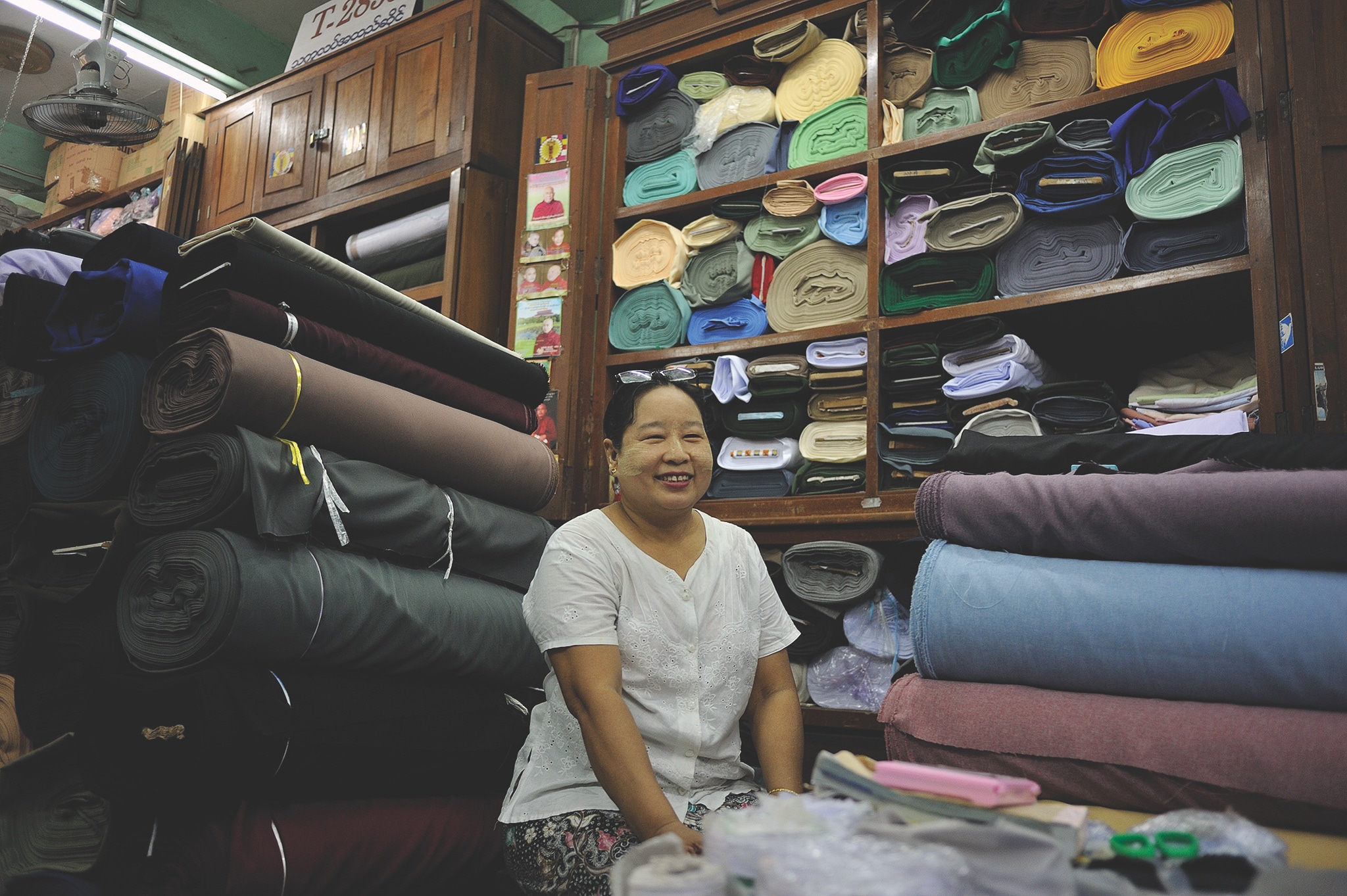
Equipping women entrepreneurs for success.
Established in 2016, the Women’s Business Center (WBC) is Mongolia’s first women-focused business service center committed to helping women entrepreneurs to start and grow their businesses through business trainings, financial advice, consulting services, and business incubator and accelerator programs. Since its founding, the WBC has served more than 8,000 entrepreneurs. The WBC also launched psychosocial counseling services and small grant support for women entrepreneurs facing hardships caused by the pandemic.
Catalyzing the youth vote
A decline in voter turnout is a growing concern for democracy in Mongolia.
Using social media campaigns and interactive content in 2020, the Foundation supported a range of youth and women-led organizations to improve voter education and energize youth political participation. Social media campaigns including democracy hackathons, youth policy dialogues, and networking events reached 19,000+ people and accumulated 8 million social media impressions. These efforts helped contribute to a 12 percent increase in voter turnout among 18-25-year-olds, an increase not observed in any other age group.

Recent Publications
Opportunities for the Development of Women-Led Businesses and Clusters via Collective Marks and Certifications Marks
Women’s Business Center Infographic
Кейс Менежмент Гарын Авлага (Domestic Violence Case Management Manual)
Upcoming Events
No events found.
Staff in Mongolia
Mission-driven and multidisciplinary, our staff bring a broad range of talents and backgrounds to their work every day.
-
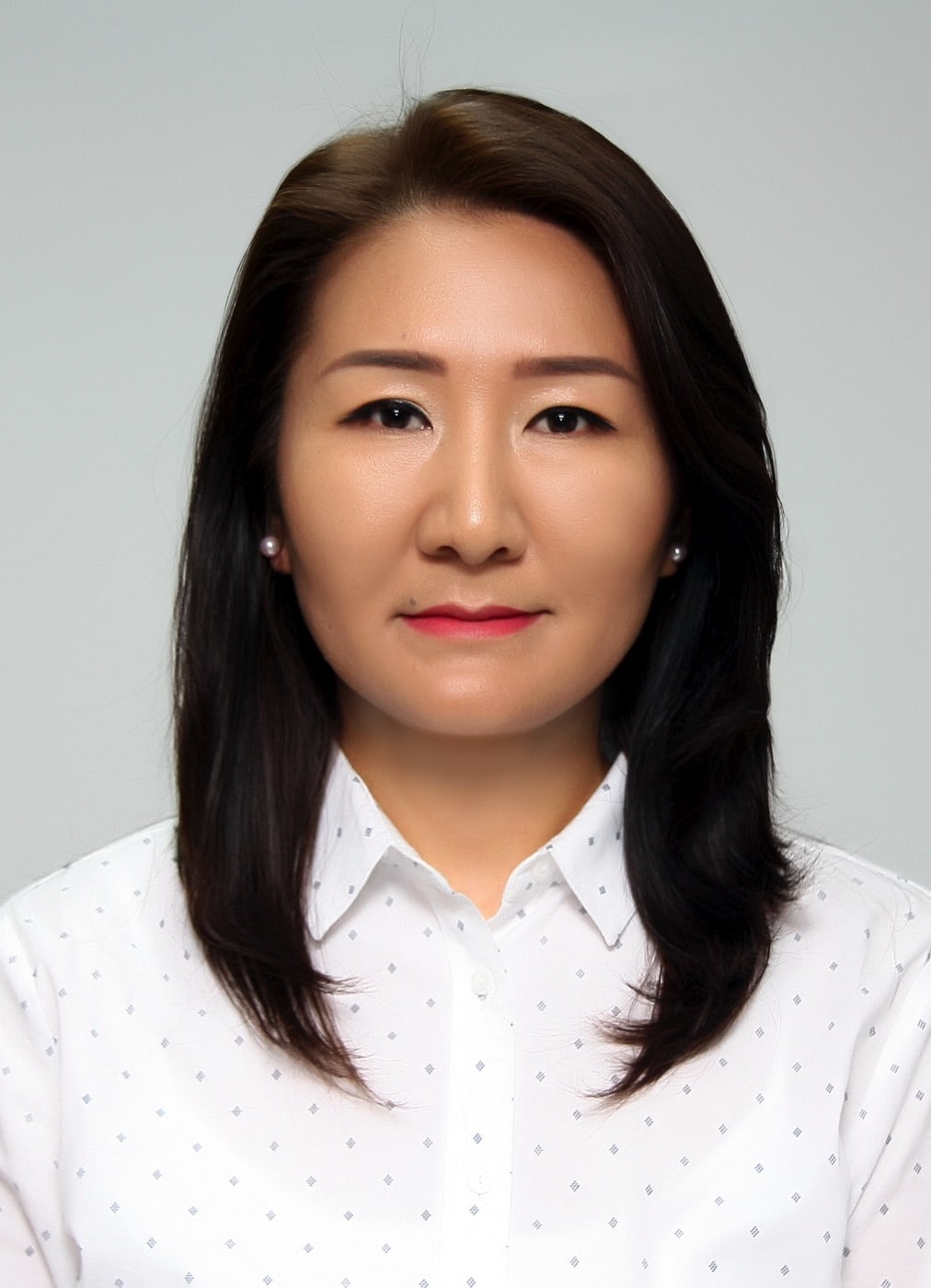
Batmunkh Batdelger
Deputy Finance Manager, Mongolia
-
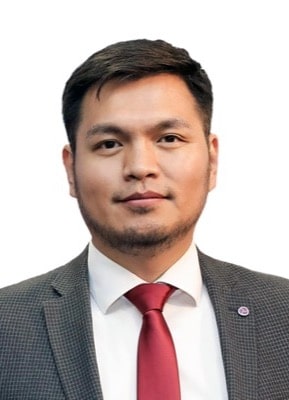
Gantulga Ganbaatar
Director, Law and Justice, Mongolia
-
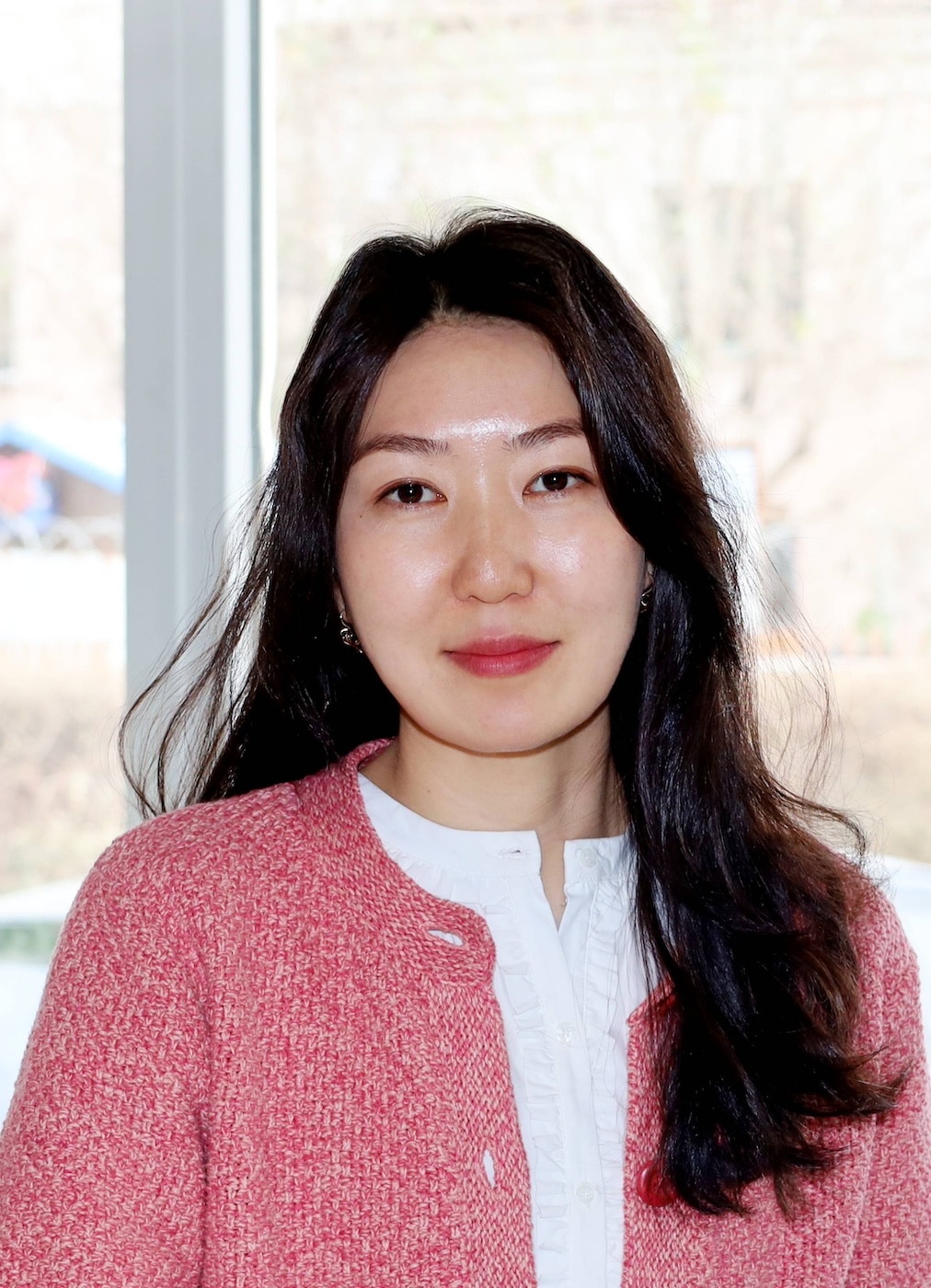
Mandakh Erdenebaatar
Director, Finance, Mongolia
-
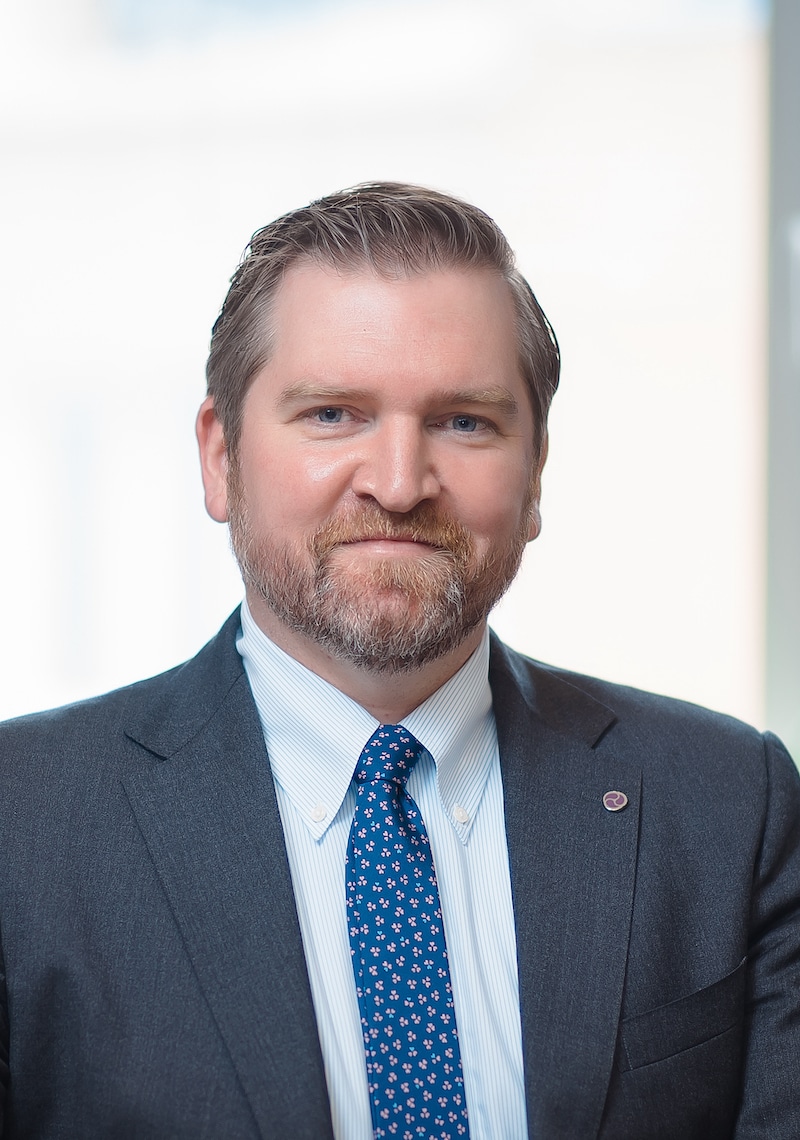
Mark Koenig
VP, Programs and Innovation and Northeast Asia Representative