
Indonesia
In Indonesia, we advance reforms that improve environmental governance, increase social inclusion, strengthen justice systems, protect human rights, and promote tolerance and equitable economic growth.
Hana Satriyo ,
,
Country Representative
Contact
The Asia Foundation – Indonesia
PO BOX 6793 JKSRB
Jakarta 12067, Indonesia
Tel: +62 (21)7278-6557
Email: [email protected]

Combating corruption through the judicial system
Corruption is a challenge in Indonesia, so the Foundation worked with the Supreme Court to develop systems to improve tracking, monitoring, and adjudication of corruption cases. We also developed an eLearning module for Anti-Corruption Certification for judges and created a robust judicial online data analysis hub to improve knowledge around and the quality of corruption cases’ adjudication. The hub now attracts 12,000-20,000 visitors daily, processes 27,000-52,000 searches per day, and hosts more than 5.3 million judicial decisions.
NEWS FROM INDONESIA
-
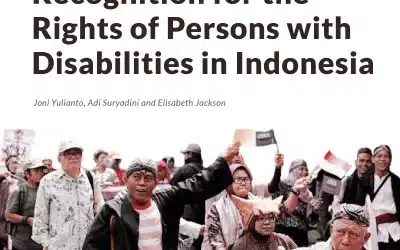
 Securing Legal Recognition for the Rights of Persons with Disabilities in Indonesia
April 17, 2024
Publication -
The Makassar City Government to Publish the Mayor’s Regulation (Perwali) on Restorative Justice’s Support Services
2024
Program Snapshot

-
 Call For Applications – 2024 YSEALI Regional Workshop: Sustainable and Inclusive Cultural Tourism
Jakarta
April 2, 2024
News -
KPPL Maju Bersama: The First Women’s Group Involved in Social Forestry in Indonesia
2024
Program Snapshot


Legal documentation for Indonesia’s most vulnerable
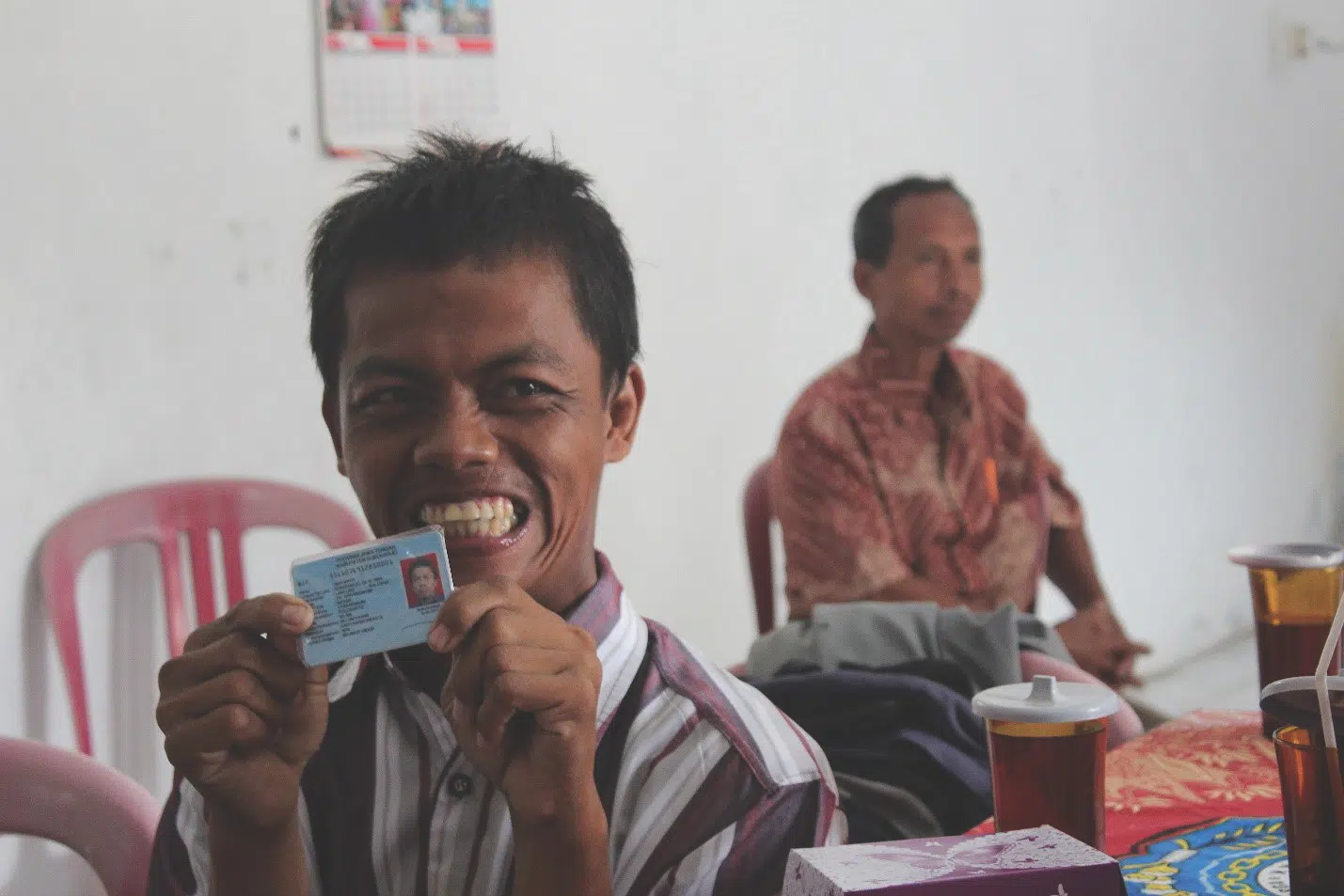
Lack of legal identity documentation in Indonesia makes many citizens essentially invisible to the system in Indonesia, unable to access health care or social programs. The Foundation’s Peduli program made it possible for 7,063 people from vulnerable communities to obtain legal identities that they previously could not, a move made even more urgent during a global pandemic.
The Latest Across Asia

News
April 25, 2024


Program Snapshot
April 18, 2024
News
April 17, 2024


2024 Lotus Leadership Awards
The Lotus Leadership Awards recognize contributions towards gender equality in Asia and the Pacific