How Digital Tools Are Helping Local Businesses Grow Tourism in Nepal
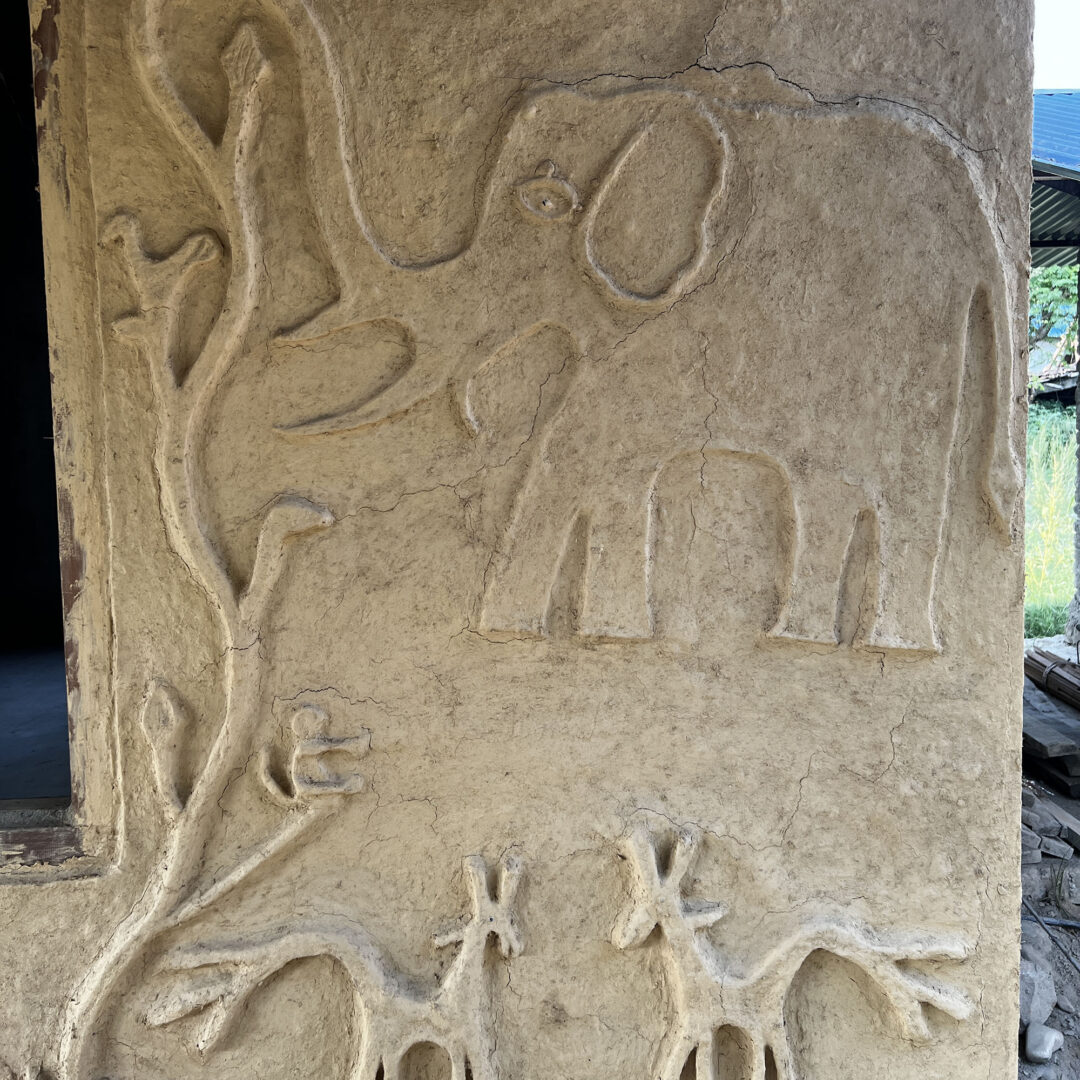
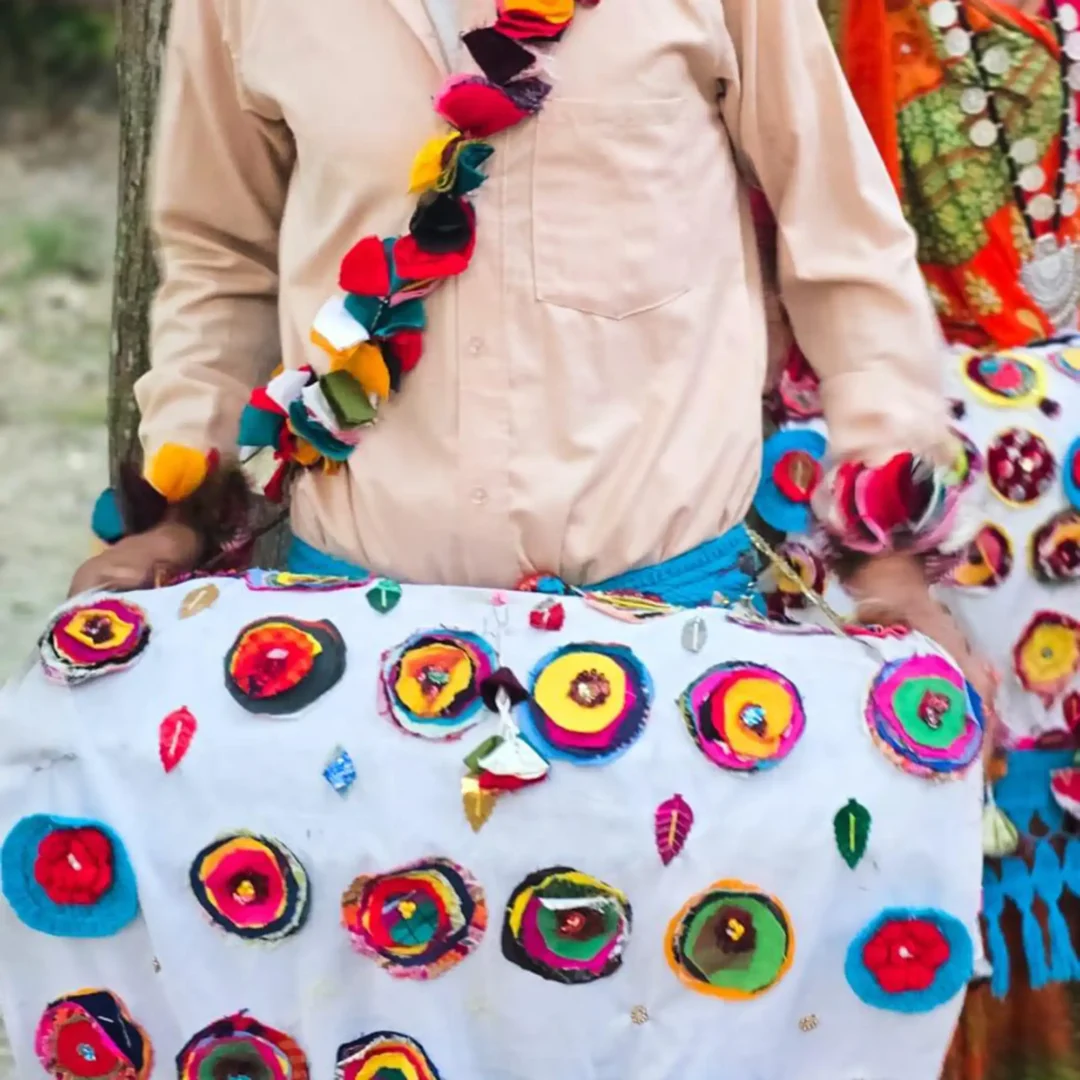
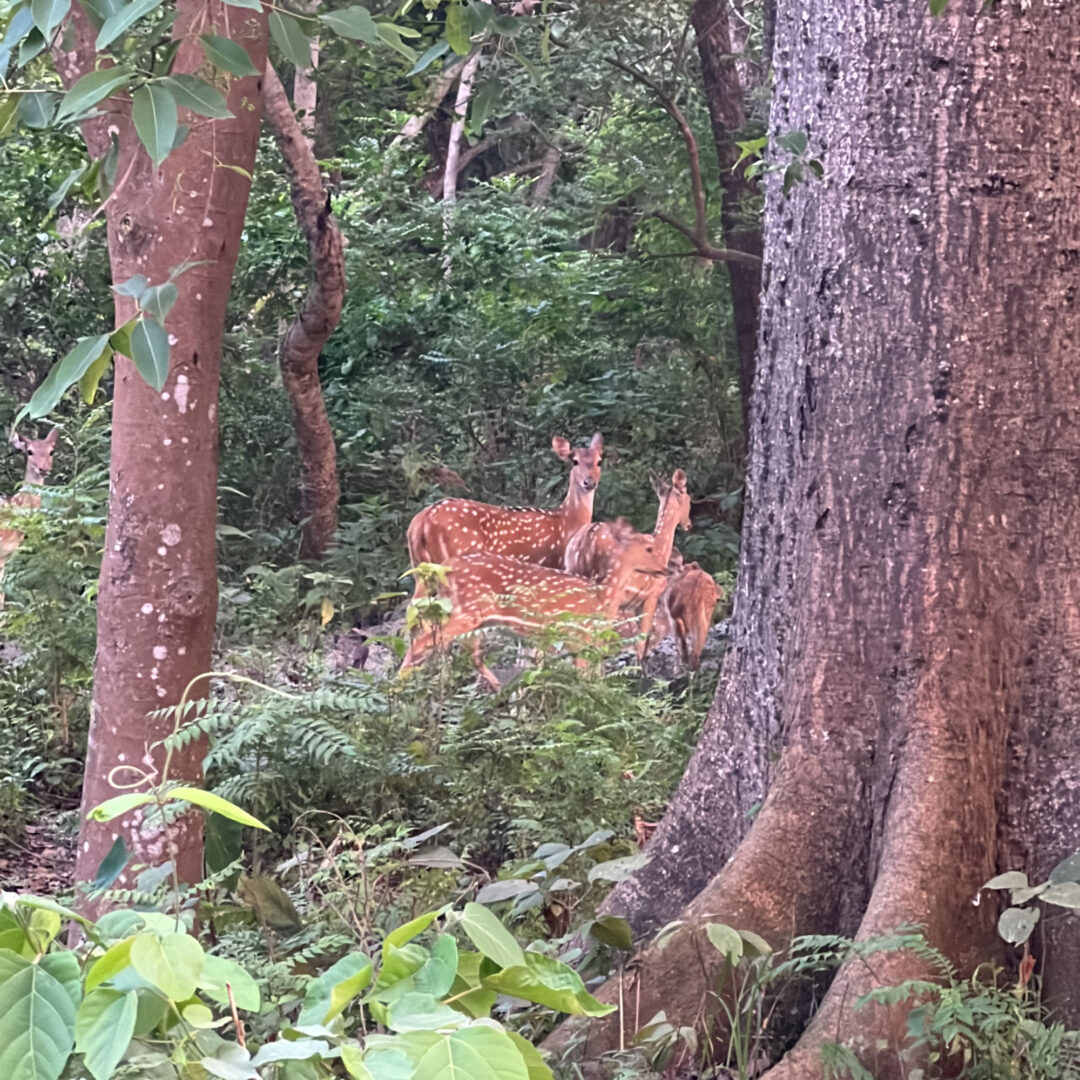
Home to Nepal’s largest protected lowland wilderness and one of the country’s highest densities of Bengal tigers, Bardiya National Park and its surrounding communities offer visitors an immersive mix of wildlife, Tharu culture, community hospitality, and nature-based experiences. But many of the local businesses that make those experiences possible—homestays, nature guides, and small tourism enterprises—have remained hard to find online. In an era when travelers increasingly discover destinations through search, social media, online maps, and booking platforms, limited digital visibility can mean missed opportunities for both businesses and communities.
The Asia Foundation’s Digital Samriddhi—“prosperity”—project is helping change that by using digital tools to strengthen Bardiya’s tourism economy and help local communities tell their story to the world.
The need is significant. More than 90 hotels and homestays operate around Bardiya National Park, and community homestays provide an important source of income, especially for women, who own 86 percent of them.
Tourism demand is rising as well. Visitor arrivals to Bardiya have more than doubled in the last four years, increasing from 12,377 in 2021 to 28,000 in 2024–25. Domestic travelers account for nearly 70 percent of those visitors, while international arrivals have climbed from 701 in 2021 to more than 7,500 in 2024–25.
That growth points to Bardiya’s potential to generate jobs, income, and new business opportunities. Yet many tourism entrepreneurs still lack the skills, tools, and confidence to promote their services online, communicate with potential visitors, and convert interest into bookings.
Digital Samriddhi takes an ecosystem approach to those barriers, bringing together entrepreneurs, local governments, internet service providers, fintech companies, online travel platforms, content creators, and technology innovators. The project combines digital literacy training, content creator workshops, media familiarization trips, policy support for tourism digitalization, and private-sector partnerships to improve digital connectivity and help communities and enterprises become more visible and connected.
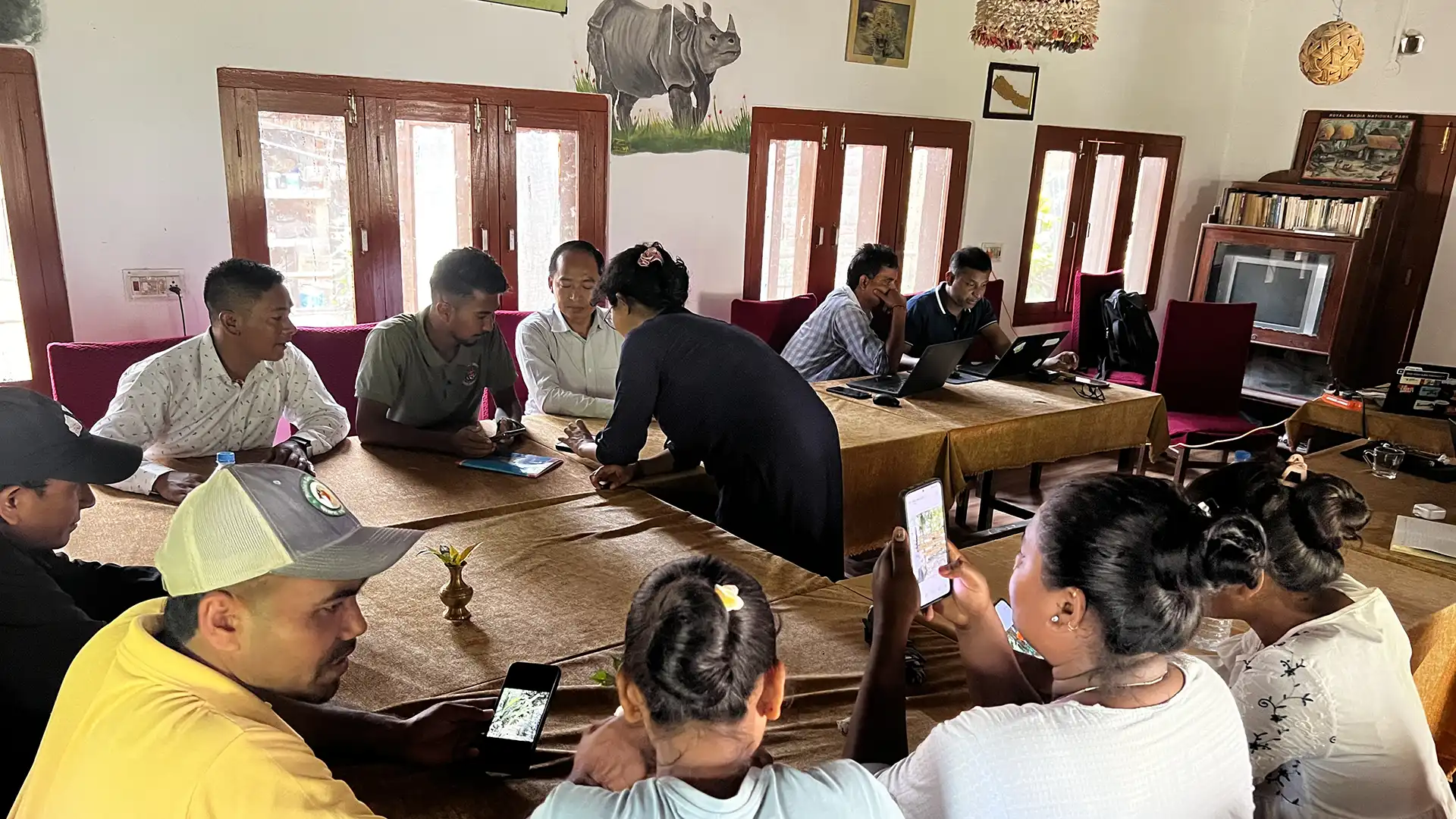
Launched in December 2025 and running through September 2026, the project is already helping tourism entrepreneurs see digital technology not as something complex or out of reach, but as an essential business tool. Its tailored digital literacy program has reached 150 tourism entrepreneurs through small learning cohorts. Across 11 practical modules, participants learn skills such as basic internet literacy, Google Business Profiles, WhatsApp Business, Facebook Pages, digital payments, online travel agency platforms, and digital recordkeeping.
In Dalla Tharu Community Homestay alone, 26 entrepreneurs representing 10 homestays participated in the training. “The training provided essential knowledge to promote our businesses through digital platforms that we were previously unaware of,” said Kaushila Yogi, who runs the Dalla Tharu Community Homestay. “We used Facebook and WhatsApp before, but only for personal purposes. Now we understand how to use them to reach customers and promote our services.”
To sustain that momentum beyond the training period, the project has established a Digital Entrepreneurs Lab to support peer learning, connect entrepreneurs with market opportunities, and encourage innovation through challenge funds and other business development initiatives. The result is practical as well as personal: entrepreneurs are becoming more responsive to inquiries, more intentional about customer relationships, and more confident in promoting what makes Bardiya distinctive.
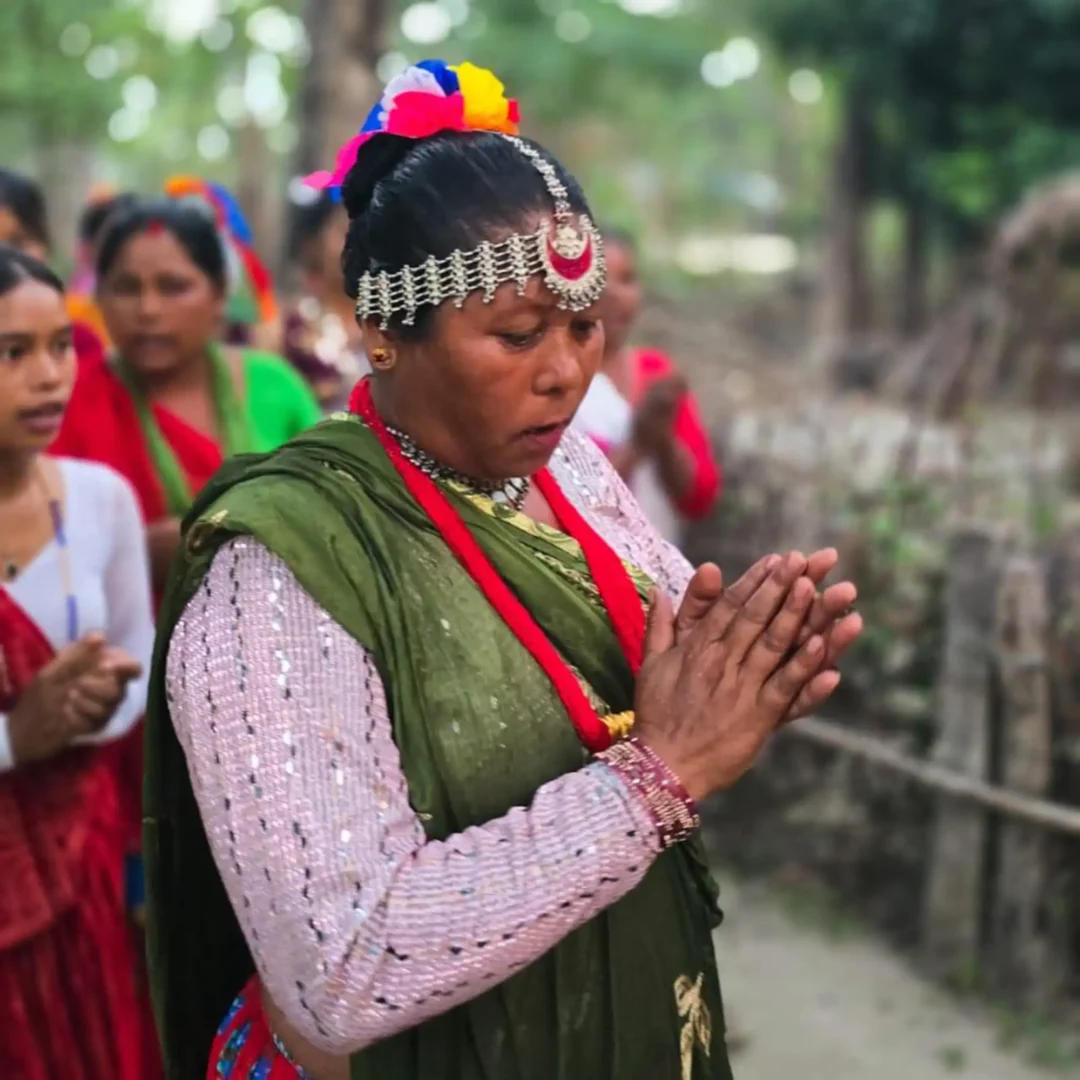
The project is also helping Bardiya reach new audiences through digital storytelling. In May 2026, Digital Samriddhi organized a three-day media familiarization visit that brought together three digital content creators from Kathmandu, Pokhara, and Bardiya. Their itinerary included a stay at the Dalla Tharu Community Homestay, a visit to Bardiya National Park with a local female nature guide, cultural performances, conversations with local entrepreneurs, and a stop at the Krishnasar (Blackbuck) Conservation Area.
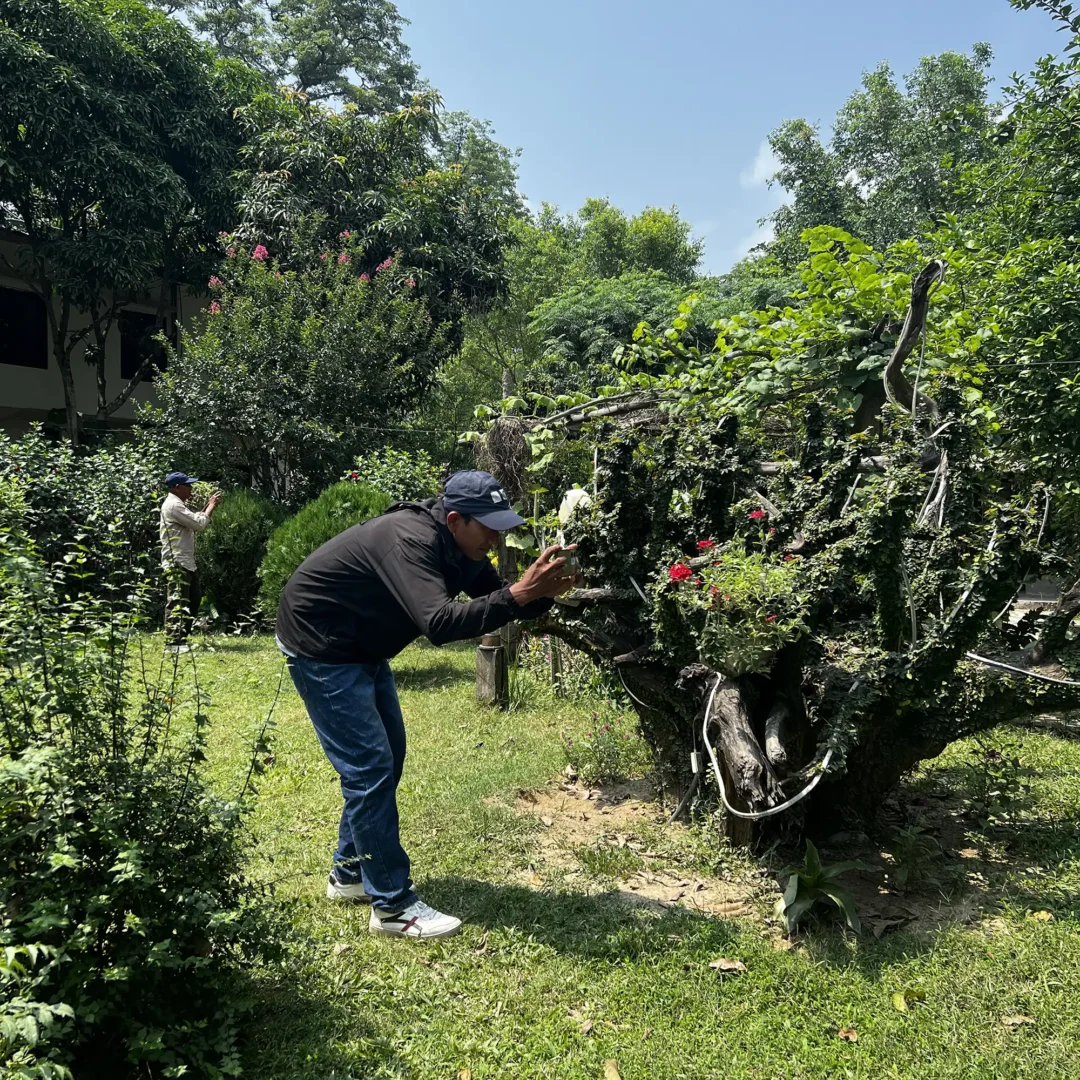
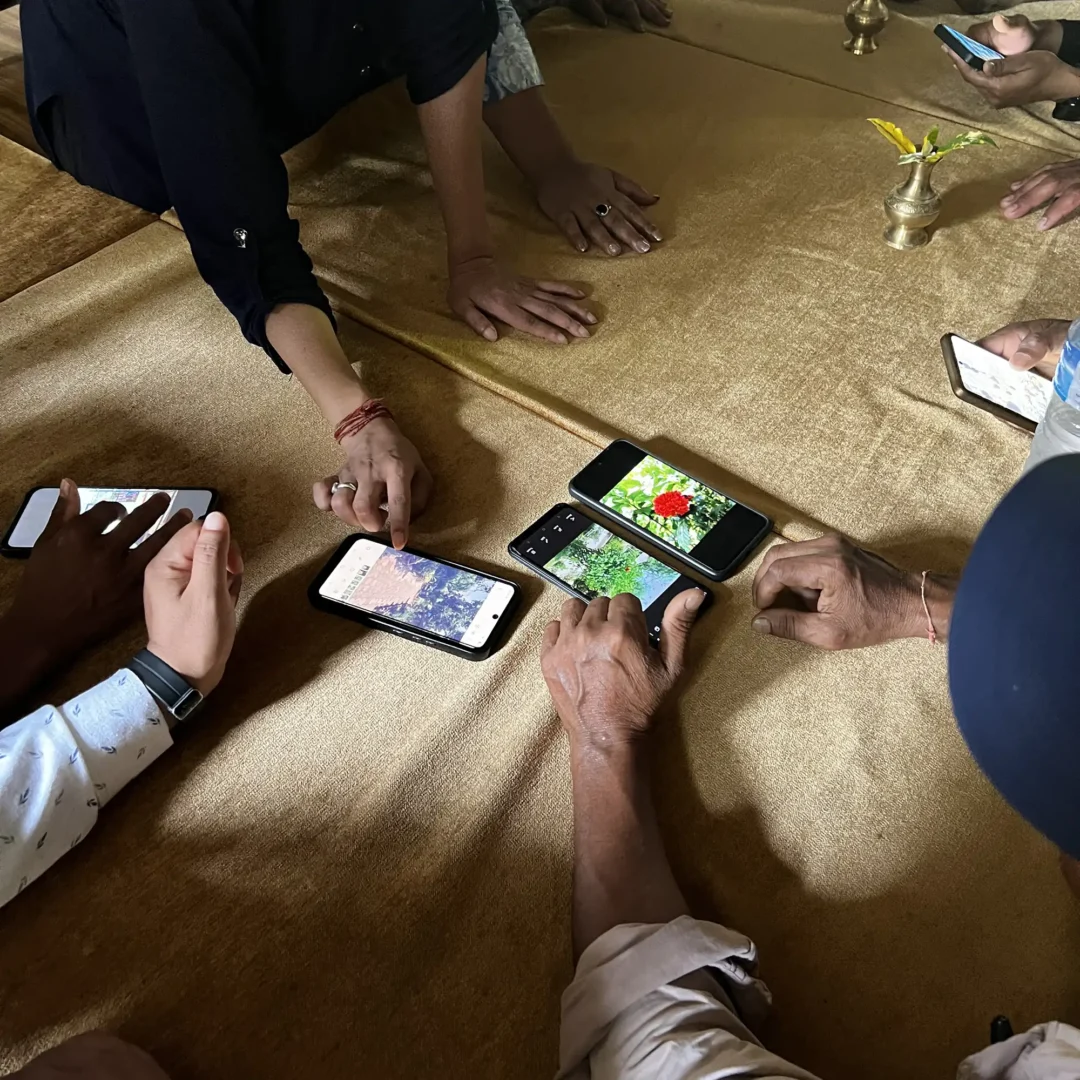
The visit gave creators an opportunity to hear directly from community members, conservation actors, tourism businesses, and local women helping shape Bardiya’s tourism sector. Those conversations helped them move beyond a narrow wildlife narrative and tell richer stories about culture, hospitality, conservation, and community-led tourism.
Within weeks, the reels, posts, and stories they produced on Instagram and Facebook had generated more than 44,000 views and reached more than 26,000 accounts. Just as important, the content conveyed a broader message: Bardiya offers much more than safari tourism. Through authentic storytelling, creators highlighted women-led initiatives, community homestays, local culture, and conservation efforts, inviting potential visitors to experience Bardiya more fully.
That broader narrative is helping build a shared vision for Bardiya as a destination. Community homestays, hotels, nature guides, conservationists, cultural performers, and local governments are increasingly working together to showcase the full range of experiences the region offers—from wildlife and nature-based tourism to local cuisine, cultural heritage, and community hospitality. This more collective approach is laying the groundwork for stronger destination branding and a more inclusive tourism economy.
Digital Samriddhi shows how digital transformation can support inclusive economic growth. By helping tourism entrepreneurs connect with visitors, markets, and new opportunities, the project is making it easier for the world to discover Bardiya—and for local communities to benefit more fully from the destination they have built.
Media Contact
Our development experts and staff in Asia, the Pacific, and the United States are available for media briefings and speaking engagements.
For assistance, please contact Strategic Communications:
Eelynn Sim, Director
[email protected]