Restoring Mangroves Is a Growing Business for Families in Raja Ampat
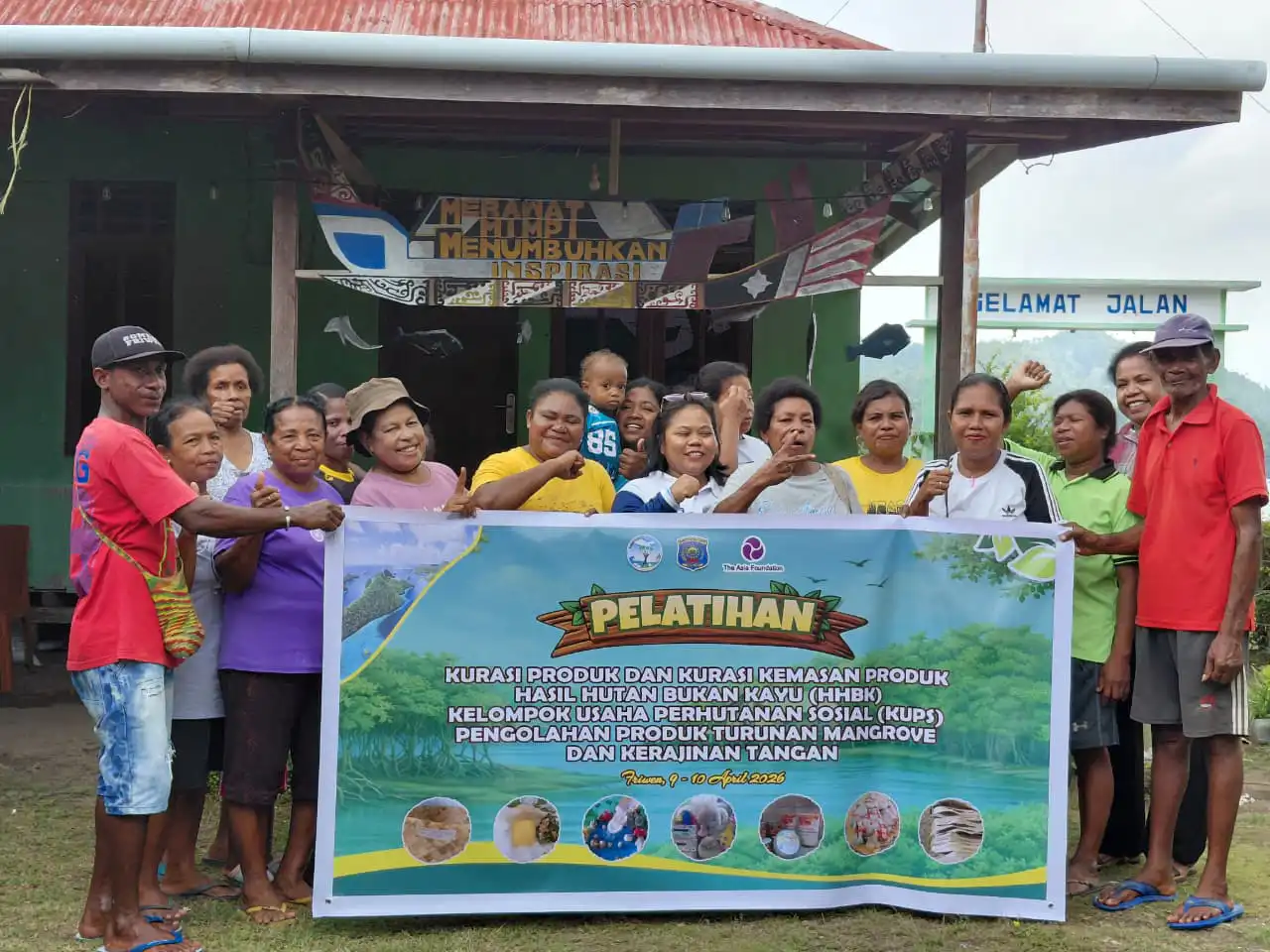
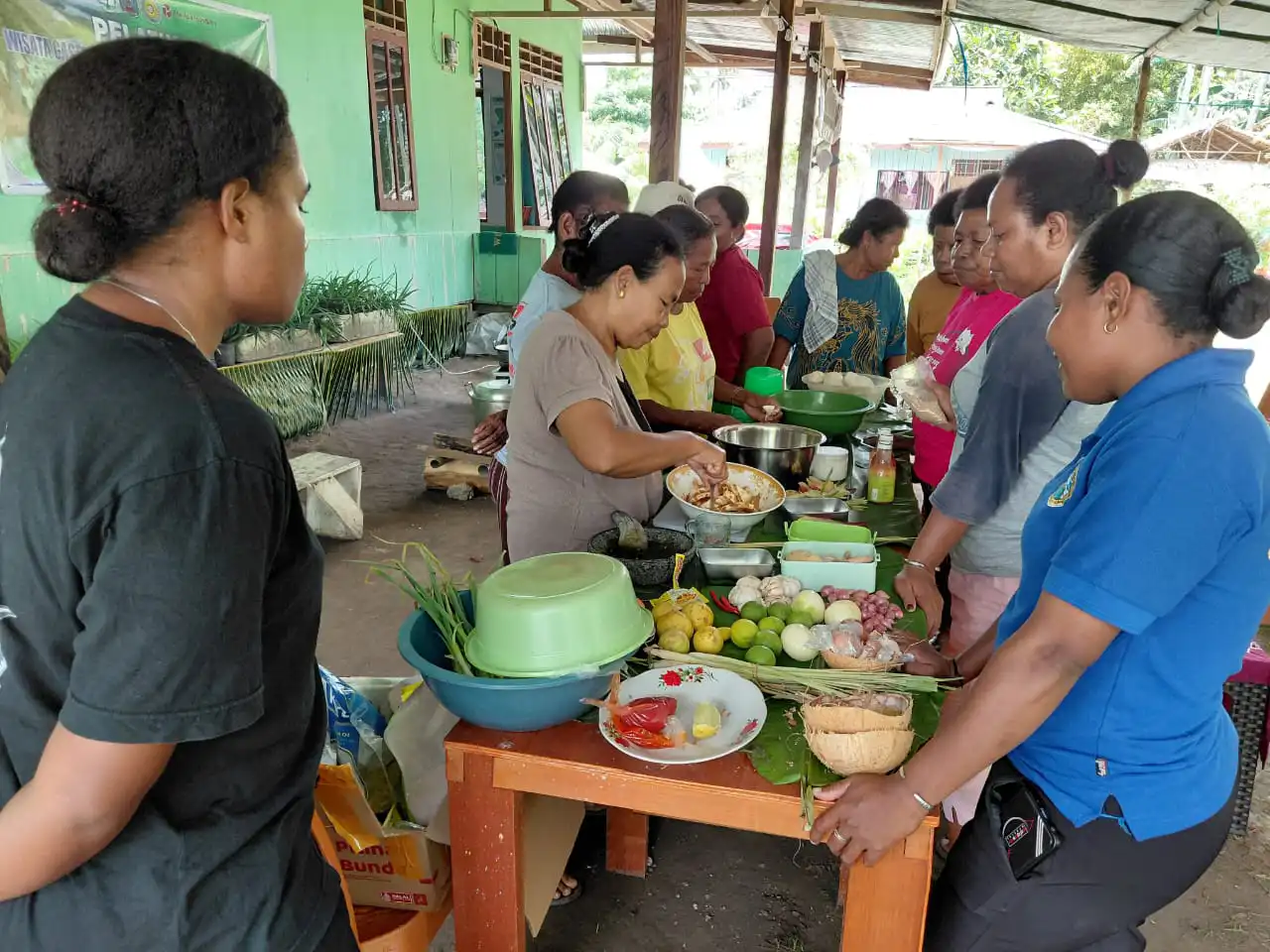
Training on the curation of mangrove derivative products for KUPS Sinyalep in Friwen Village aims to improve quality, add value, and increase the competitiveness of mangrove-based products to be ready for the local market (created by PKPRA – Friwen April 2026).
Families in Friwen village live with the ocean as their front yard—and with the uncertainty that comes when tourism fluctuates and coastlines change. This year, some 60 families in the village in Raja Ampat, West Papua, Indonesia, have been putting a new approach into practice: building livelihoods around preserving the mangroves that protect their shoreline.
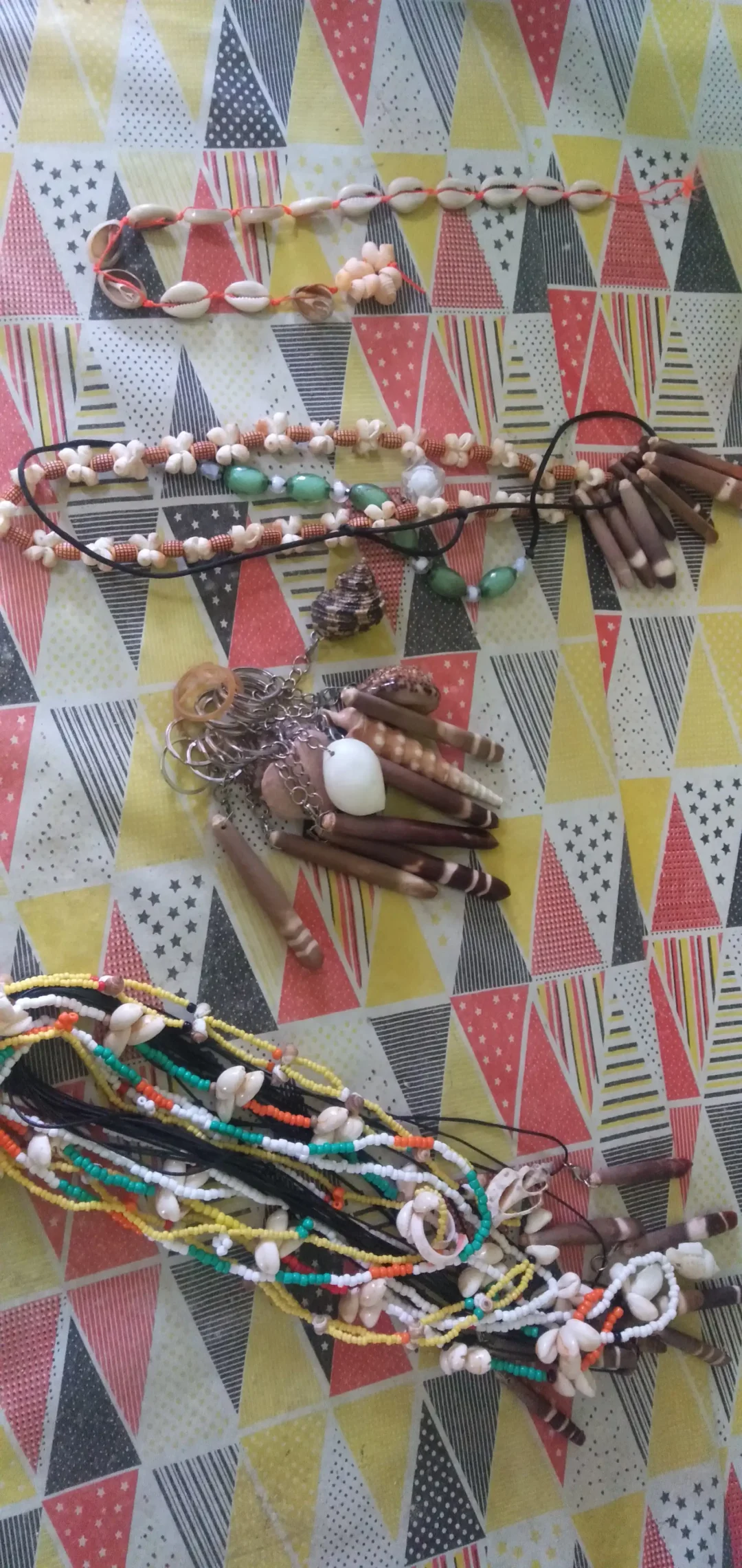
What started as a community effort to restore degraded mangroves is now taking shape as locally run business groups—known as social forestry business groups (KUPS)—that help residents organize production, share skills, and sell goods connected to the environment they depend on. About 35 women are active in groups focused on mangrove products, home gardens, and handicrafts. They are bringing back the use of aibon —mangrove fruit—by processing it into flour and turning it into snacks and other foods. Others grow vegetables, fruit, and coffee for local customers and for small tourism businesses on the island. For households that once relied heavily on tourism income, even modest, regular sales have begun to create a steadier second source of earnings.
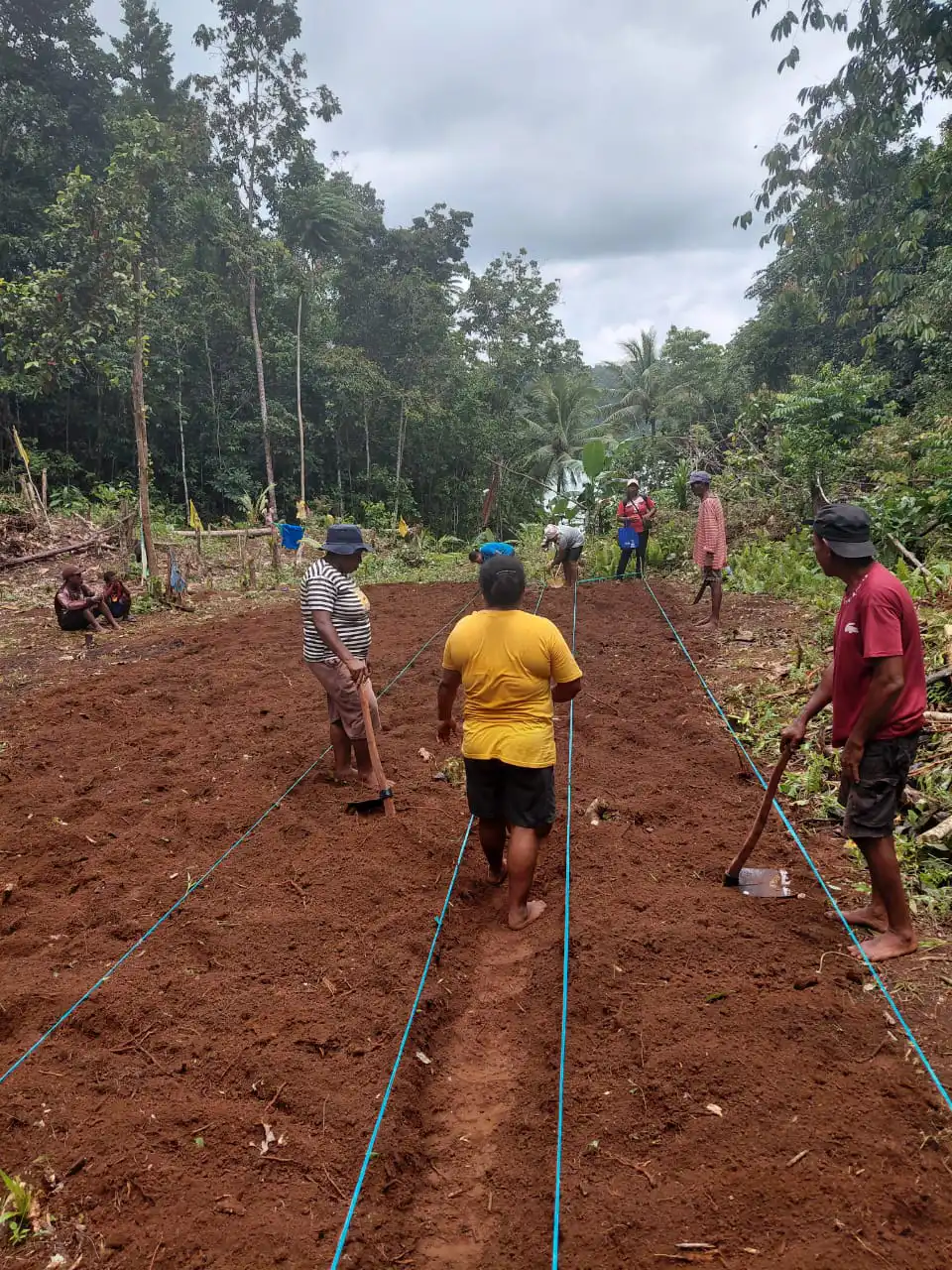
The groups are also changing who gets to make decisions. Women who were previously informal producers are now discussing prices, managing orders, and leading parts of the work together. Through the development of the business groups, Friwen can connect these livelihoods to Indonesia’s social forestry system—opening clearer pathways to training, government support, and longer-term village forest management. The Asia Foundation is supporting the community to strengthen group governance and navigate steps toward formal recognition, so the village can plan and reach markets on its own terms.
Protecting mangroves is central to the story. As the village restores and safeguards these trees, they strengthen a natural barrier that reduces erosion and supports fisheries—linking environmental protection directly to food security and income.
That connection was on display at a recent community-led festival, where women showcased mangrove-based foods and locally made handicrafts. The event brought in income, drew participation from across villages, and celebrated the cultural knowledge behind the products—showing how economic opportunity and environmental stewardship can reinforce each other.
Next, Friwen’s groups will focus on improving product quality, strengthening bookkeeping and management, and building reliable routes to buyers. For the families involved, the goal is simple: a livelihood that protects the coast they call home—and can last beyond the next tourism season.
The momentum is already spreading. Friwen’s experience is helping the village bring more households into the groups and is informing conversations with neighboring communities experiencing similar economic and environmental pressures. Local partners are exploring how this approach can grow through existing social forestry programs—so more coastal villages can build livelihoods that don’t rise and fall with a single season.
Media Contact
Our development experts and staff in Asia, the Pacific, and the United States are available for media briefings and speaking engagements.
For assistance, please contact Strategic Communications:
Eelynn Sim, Director
[email protected]