Governance

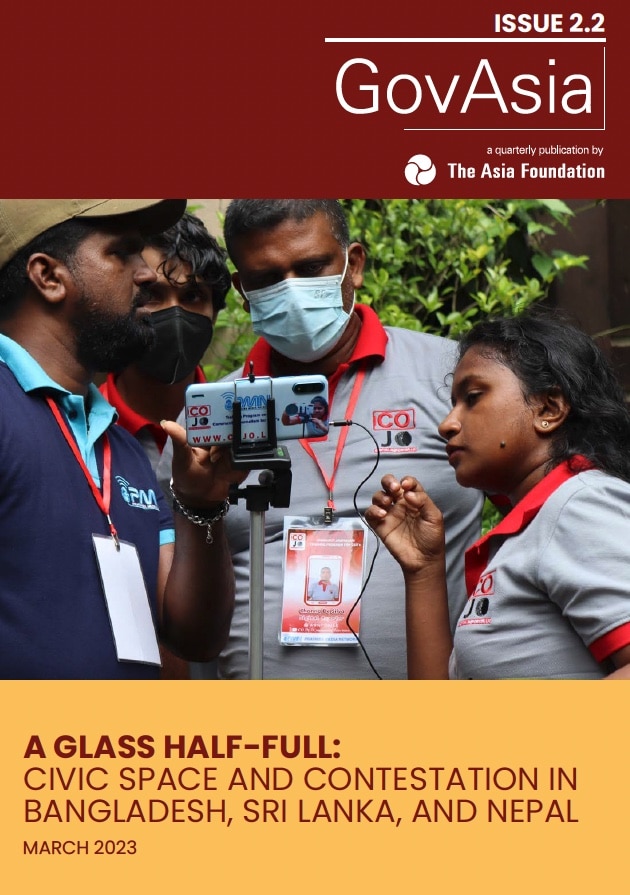
GovAsia – Glass Half Full: Civic Space and Contestation in Bangladesh, Sri Lanka and Nepal

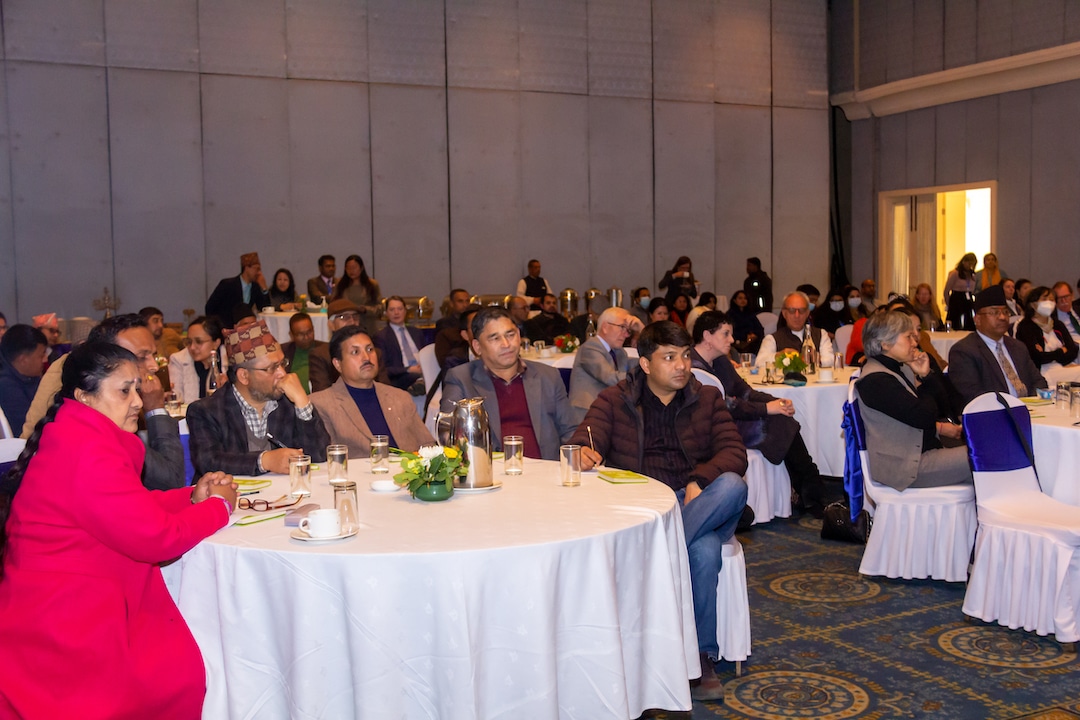
The past decade has witnessed a surge of interest in and concern over the global trend toward democratic regression. In South Asia, regulatory and institutional frameworks have become increasingly restrictive, curbing the ability of citizens and civil society organizations to occupy and use civic spaces to organize, express themselves, and participate in decisions that affect the lives of people whose interests they serve. Of course, this is only one half of the story. The other half is how citizens, collectives, and organizations adapt by carving out spaces where they can maintain—or even expand—the boundaries of their engagement in local and national civic spaces.

In this paper, we examine how civic spaces are evolving in three South Asian countries—Bangladesh, Sri Lanka, and Nepal—drawing on the experiences and perspectives of civil society representatives. The paper concludes with recommendations for donors and development practitioners on how they can make relevant investments that will strengthen civic spaces and support democratic resilience in the region.

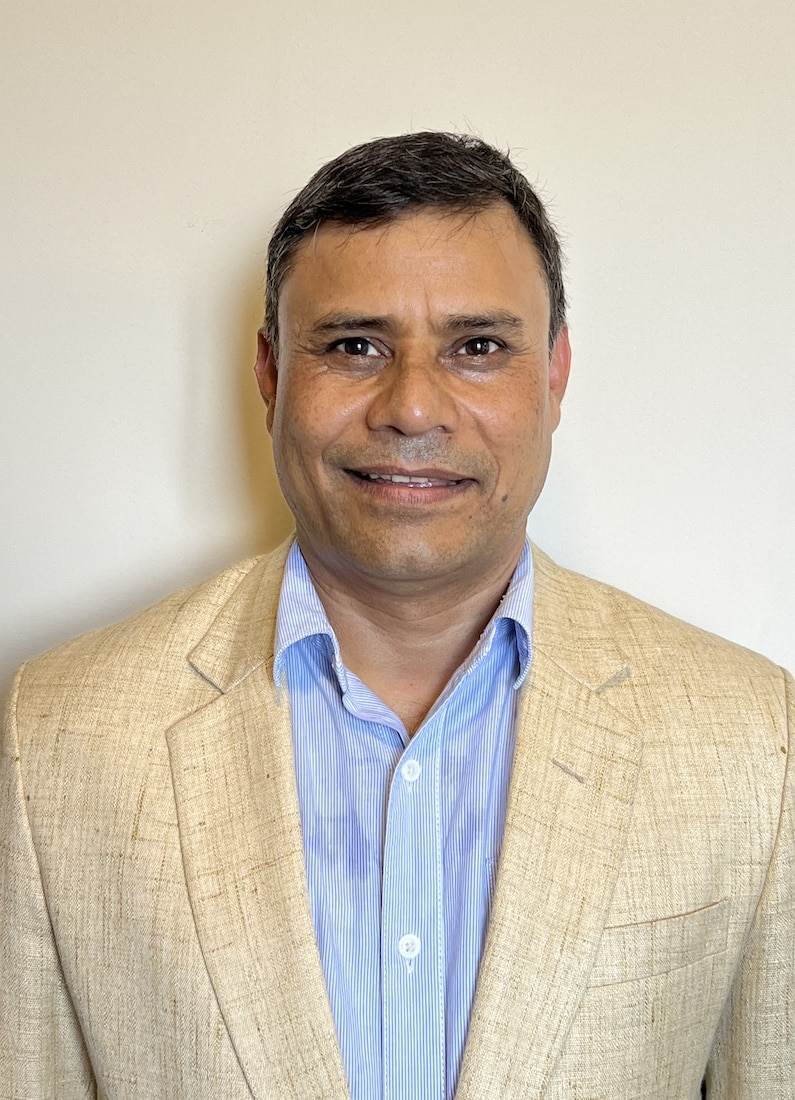
Parshuram Upadhyay

Parshuram Upadhyay is The Asia Foundation’s Senior Policy and Governance Advisor with over two decades of experience in political and subnational governance. Parshu brings extensive experience in democratic local governance,…

On the Right Tack: Reflections on Coalition-Building Initiatives Across The Asia Foundation

Coalitions—groups of organizations and individuals that work together to pursue a common policy goal or reform—are crucial to development. Some of The Asia Foundation’s longest-standing and most successful development programs and portfolios have used coalition-building as an implementation modality. This paper examines successful initiatives in Bangladesh, Nepal, Philippines, Sri Lanka, Thailand, and Timor-Leste. By delving into each of these, we shed light on this coalition-building modality, sharing insights about how externally supported coalitions emerge and function and contributing ideas about how such support can be adapted to other contexts. We hope that this paper and these case studies contribute to innovations in contemporary development theory and help practitioners use and move beyond some formulaic and technocratic modalities, such as traditional capacity development, knowledge transfer, and technical assistance. People, relationships, and working partnerships can then take center stage, and sustained cooperation will gain primacy over short-term outputs and deliverables.

Skip Footer