
Nicola Nixon
Dr. Nicola Nixon is The Asia Foundation’s senior director of Governance, effective October 2018. With over 20 years of experience in international development and academia, Nicola leads the Foundation’s governance…

Dr. Nicola Nixon is The Asia Foundation’s senior director of Governance, effective October 2018. With over 20 years of experience in international development and academia, Nicola leads the Foundation’s governance…
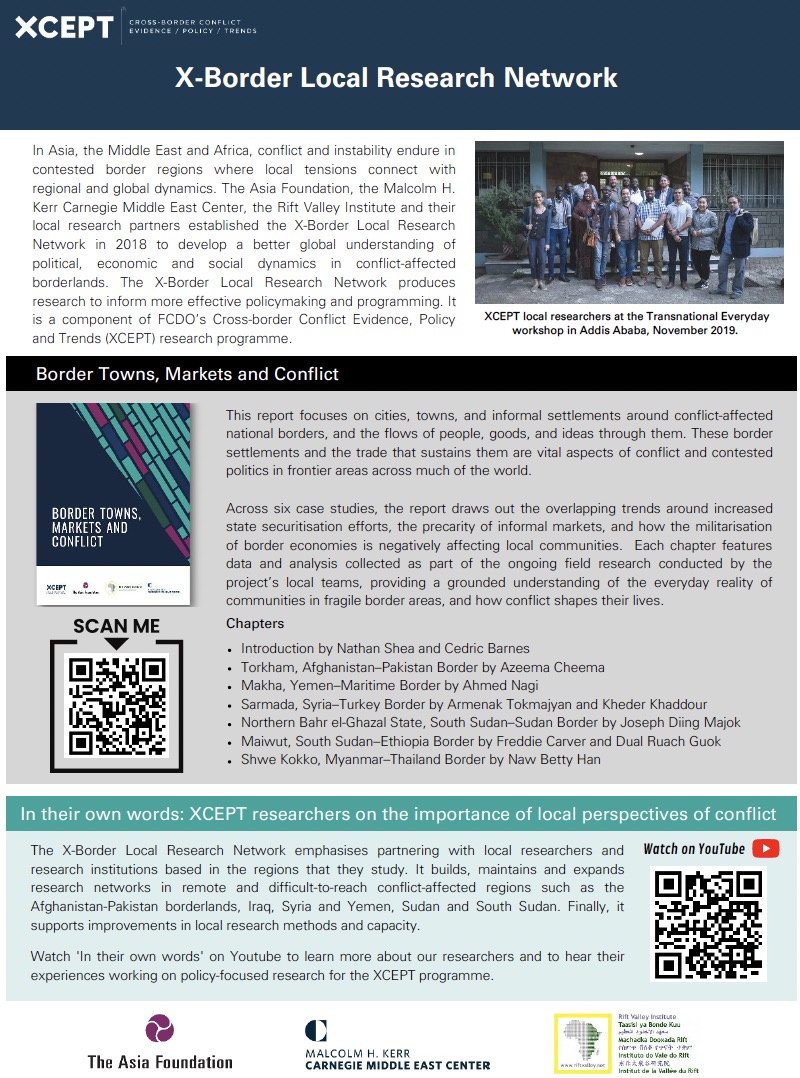
In Asia, the Middle East, and Africa, conflict and instability endure in contested border regions where local tensions connect with regional and global dynamics. The Asia Foundation, the Malcolm H. Kerr Carnegie Middle East Center, the Rift Valley Institute, and their local research partners established the X-Border Local Research Network in 2018 to develop a better global understanding of political, economic, and social dynamics in conflict-affected borderlands. The X-Border Local Research Network produces research to inform more effective policymaking and programming. It is a component of FCDO’s Cross-border Conflict Evidence, Policy, and Trends (XCEPT) research program.
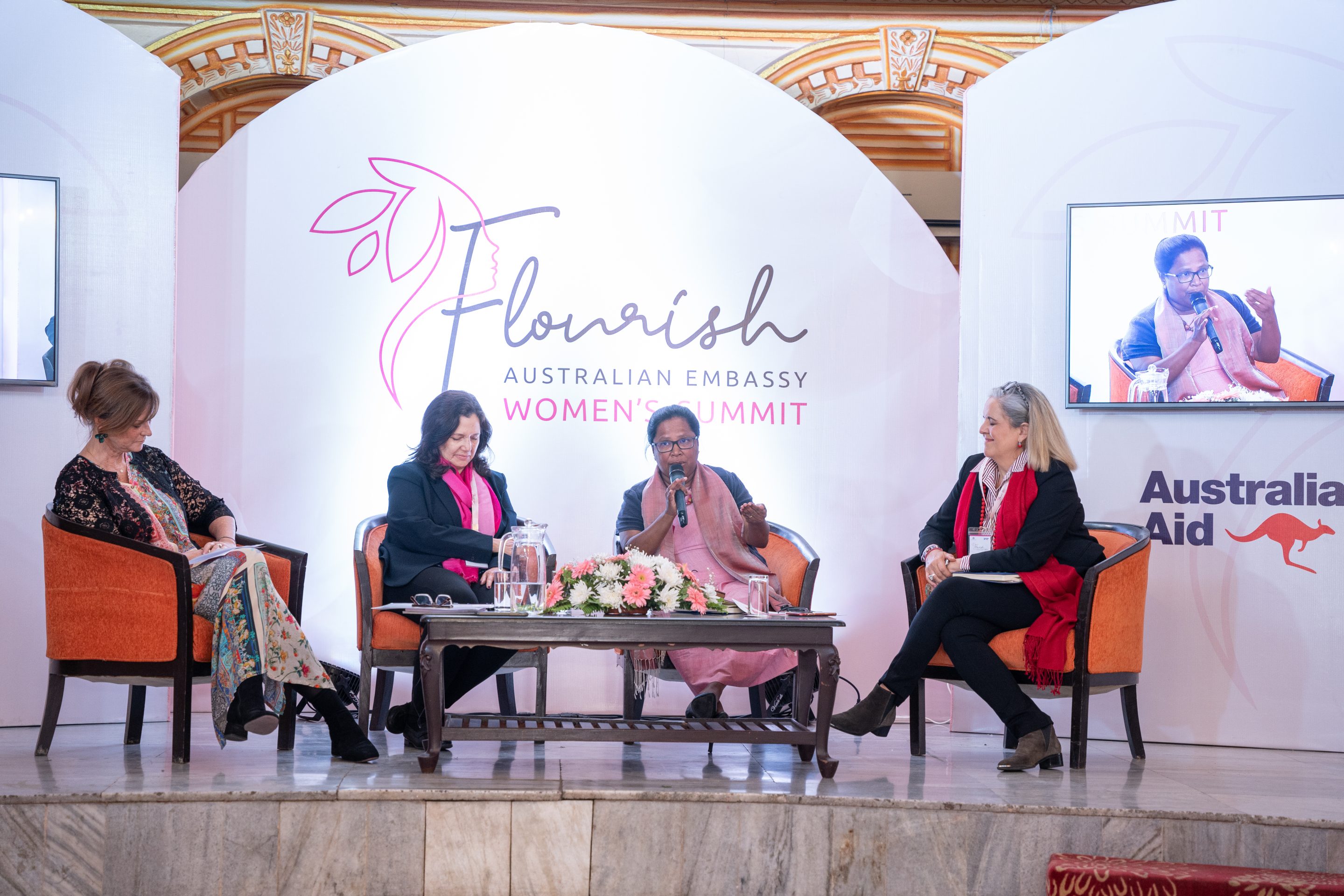
Recently, The Asia Foundation’s Subnational Governance Program (SNGP) in Nepal supported the Flourish Australian Embassy Women’s Leadership Summit 2023 in Kathmandu to mark International Women’s Month. Celebrating women’s leadership, the…

Using and sharing data systematically could make local development in Nepal far more effective.
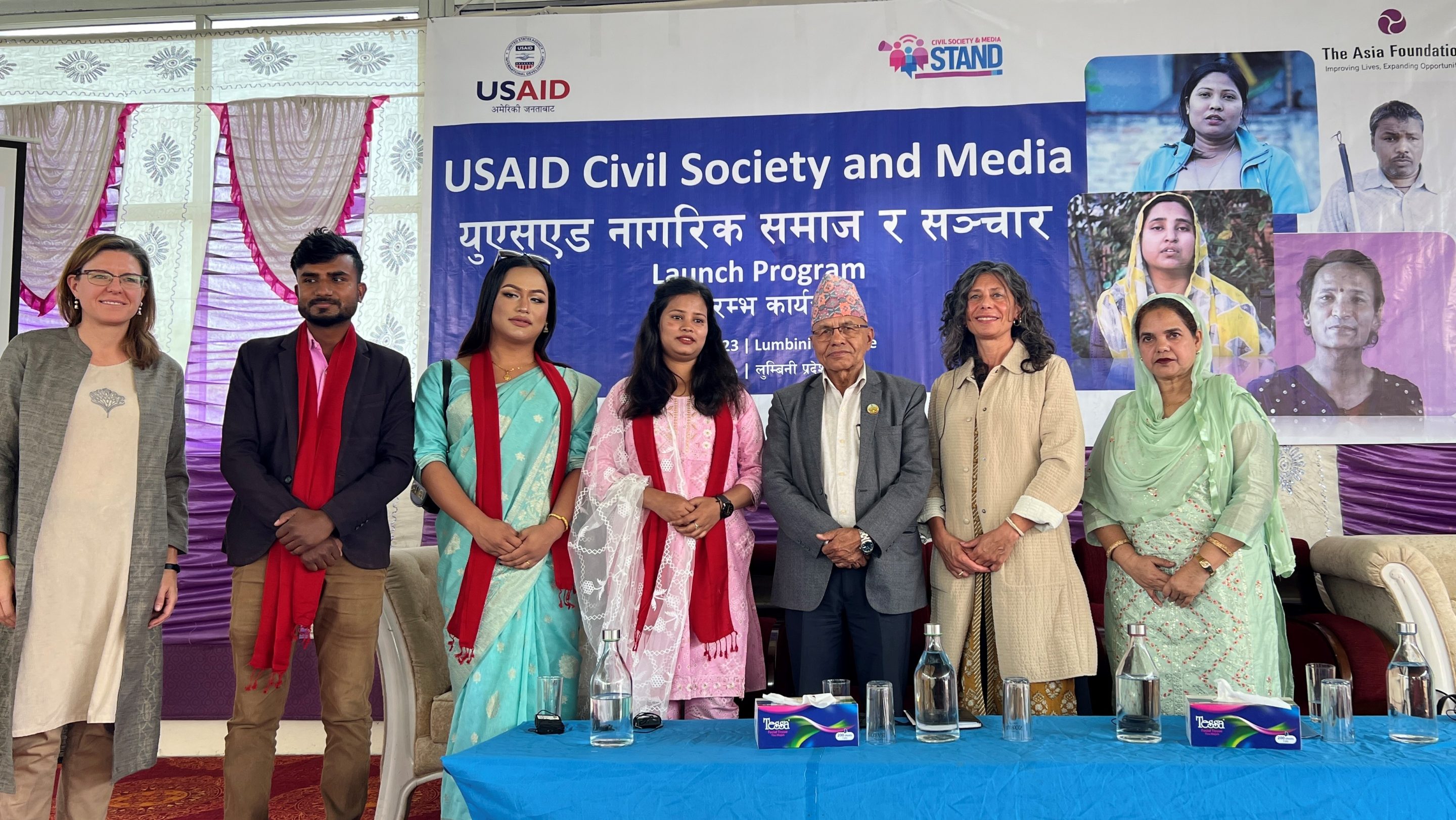
On April 13, 2023, The Asia Foundation launched the USAID Civil Society and Media (CSM) program in Nepal’s Lumbini Province. Chief Minister of Lumbini Province, Lila Giri, and Mission Director…
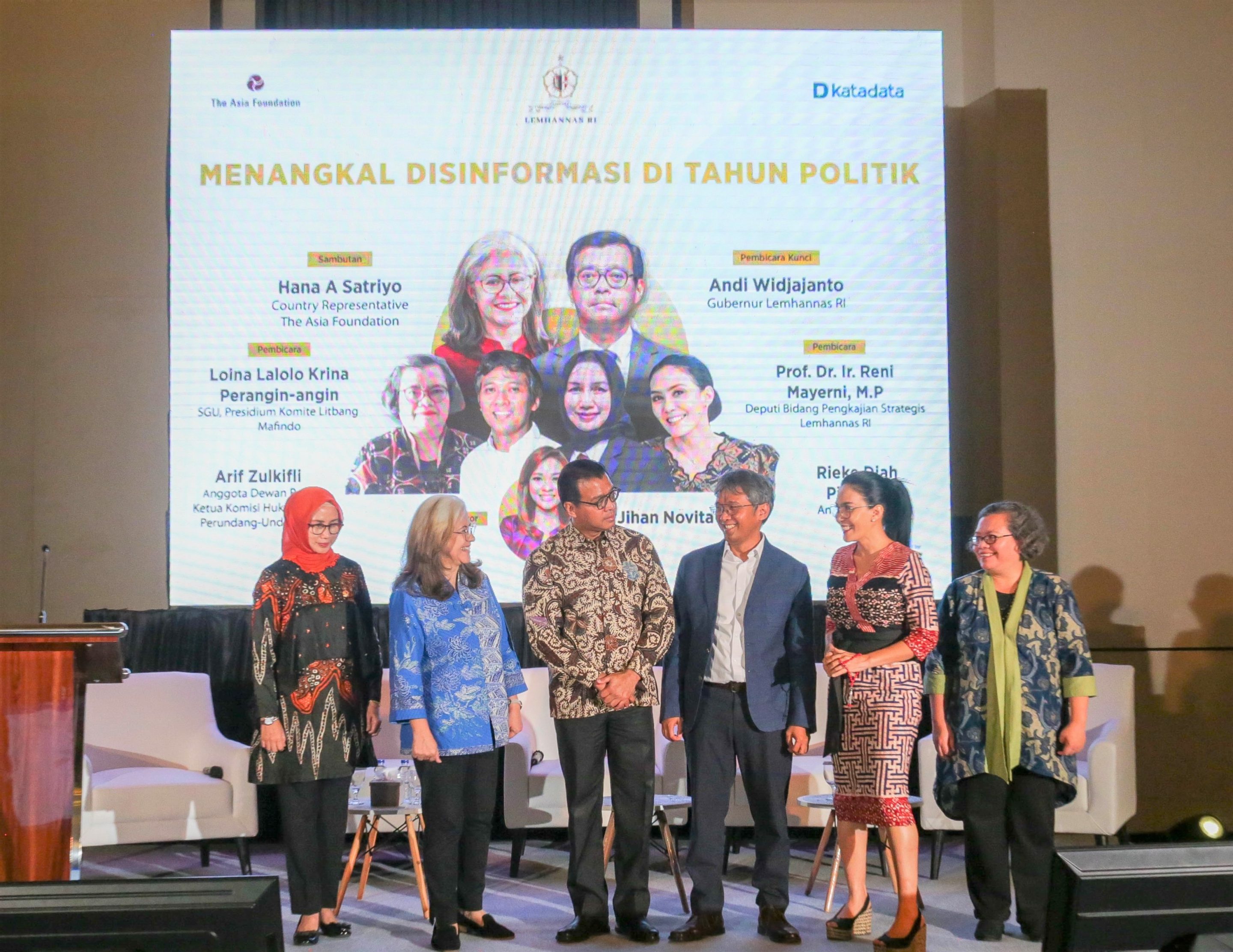
In anticipation of disinformation ahead of the 2024 elections, The Asia Foundation, in partnership with the National Resilience Agency and Katadata, hosted the public discussion “Counteracting Disinformation in the Political…
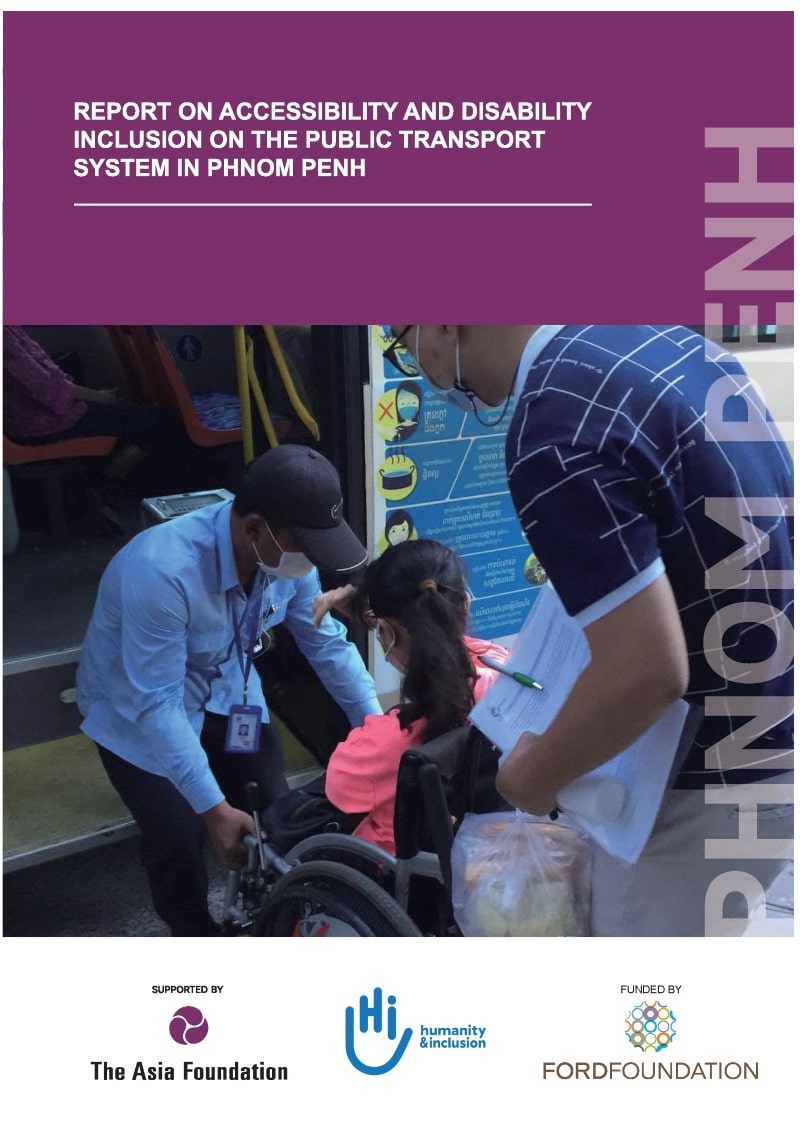
Persons with disabilities continue to face exclusion and discrimination in areas ranging from education to employment, access to public services, and other social services. There are 289,135 persons with disabilities living in urban areas in Cambodia, where access to services, including public transport, is essential. However, persons with disabilities have reported incidents in which they have been made to pay extra fees for mobility devices or denied access to public transport. With support from the Ford Foundation, The Asia Foundation commissioned Humanity & Inclusion to conduct an assessment of disability inclusion of the public bus services in Phnom Penh. This assessment identified the existing context of disability inclusion in buses in Phnom Penh and how the public transport system can be more accessible for persons with disabilities. Recommendations fall into four categories: “bus accessibility, safety, and comfort,” “bus stop accessibility, safety, comfort, and provision of information,” “bus driver and other employee attitudes towards persons with disabilities,” and “bus route and stop distribution in relation to where persons with disabilities live.”
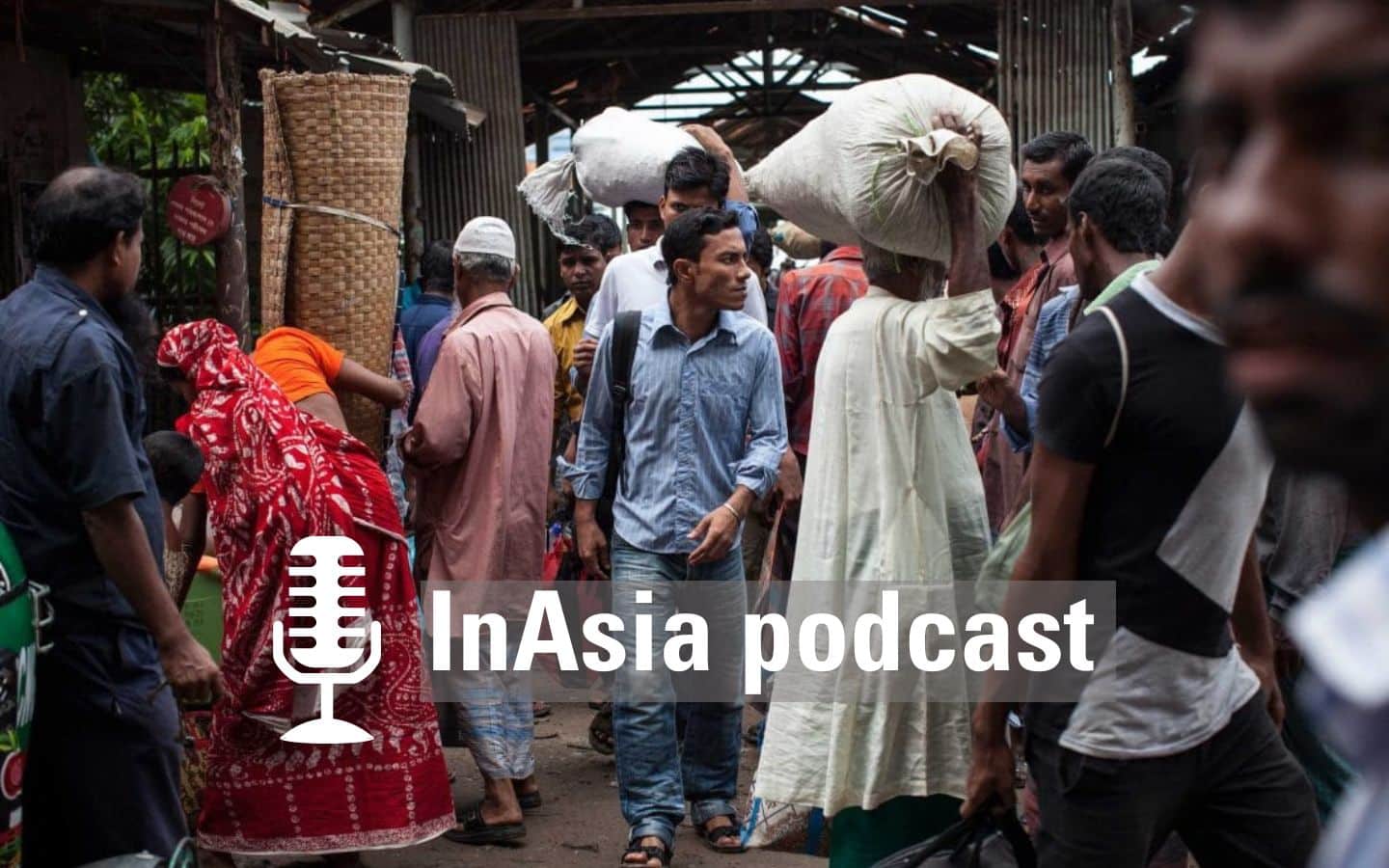
In the restless Rajshahi district of Bangladesh, a five-year experiment built a community warning system to prevent religious freedom violations.
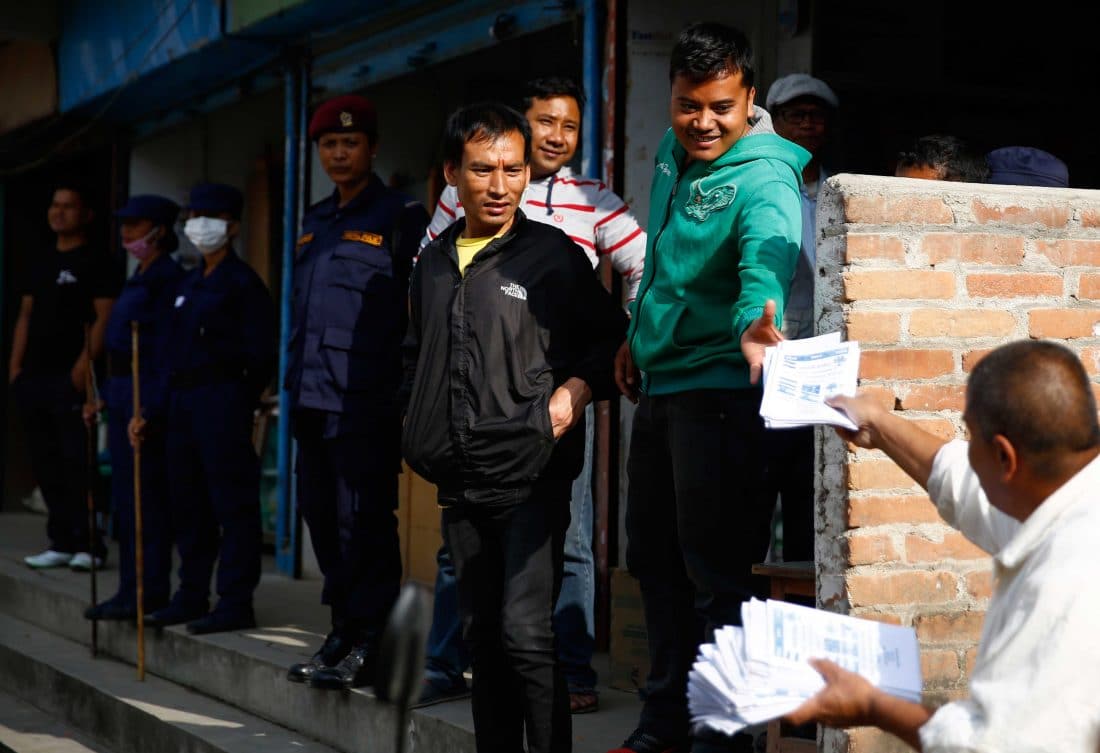
Nepal’s new local governments are rising in public opinion, but women and minorities are still struggling for full representation in Nepal’s federal system.
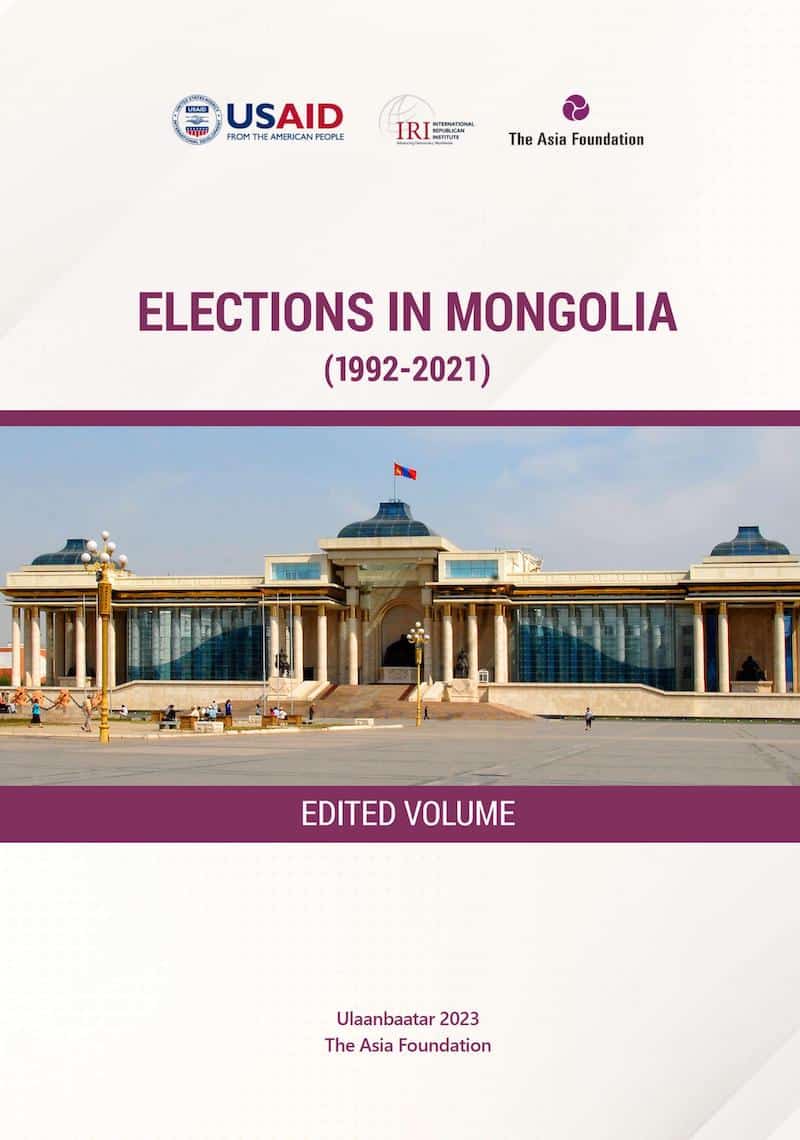
Mongolia’s transition to democracy has been cemented over eight democratic election cycles, each of which has featured multi-party competition, led to peaceful transitions of power, and been deemed free and fair by most observers. These achievements are reminders that Mongolia remains a strong, albeit young, democracy that has shown resilience. Despite a positive overarching narrative, Mongolia’s democracy and its elections face challenges. Declining voter turnout is occurring at all three levels of elections (parliamentary, local, and presidential), a trend that corresponds with growing mistrust in the government and elected officials that can be observed. These challenges mirror those faced by many democracies around the world, but they are also driven by issues unique to Mongolian elections. This edited volume organizes and presents basic data and analysis on elections in Mongolia covering the period of 1992 to 2021. The report aims to make data more accessible and available while also providing analysis on how the Mongolian electoral system’s design impacts the country’s politics and governance. Discussions in this paper cover some key trends in Mongolian elections and provide analysis on explanations for declining voter turnout, the impact of electoral system instability and the state of political party competition, and how all these dynamics are impacting civic education, political party development, elections strategy, and legitimacy.
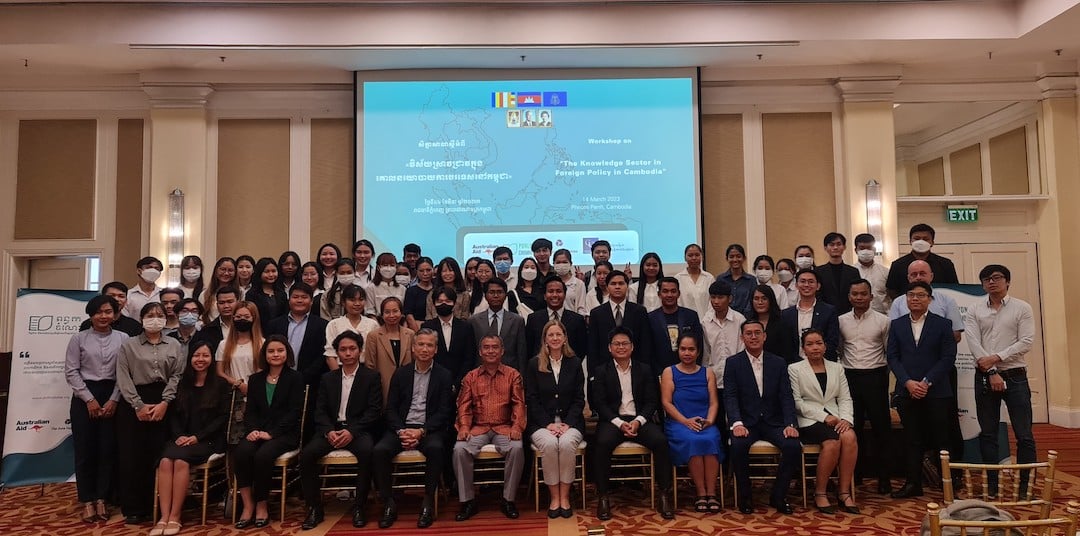
In Cambodia, The Asia Foundation supports key partners who form the country’s knowledge sector to inform public policy analysis and dialogue – including on foreign policy. On March 14, the…
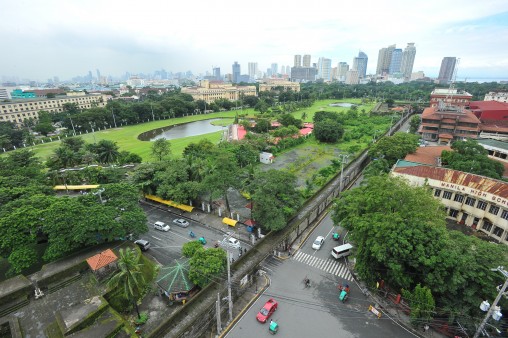
The Asia Foundation, with the support of the Australian Embassy in the Philippines, hosted the commencement ceremony for the fourth batch of completers, the Development Entrepreneurship: 12 Keys to Successful…